

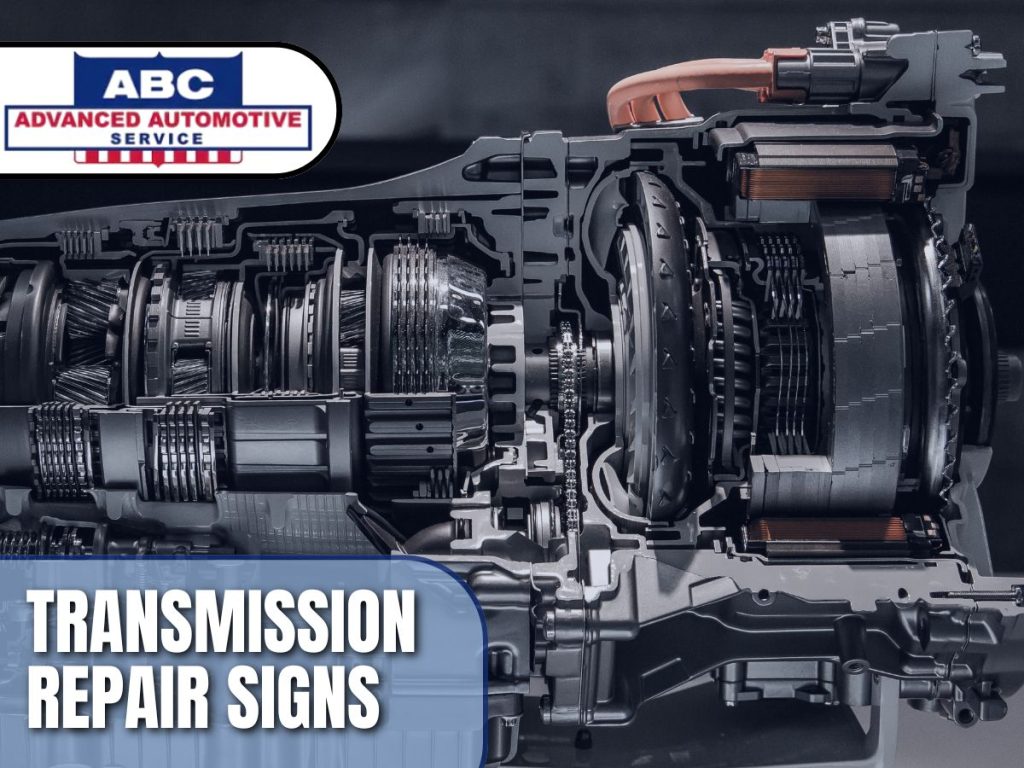
A failing transmission can turn a routine drive into a costly headache, leaving you stranded and facing expensive repairs. The best way to avoid major transmission failures is to spot the warning signs early. If your car hesitates when shifting gears, makes unusual noises, or starts leaking fluid, don’t ignore it. Addressing these issues early can save you time and money. In this guide, we’ll break down the most common transmission problems and what steps you should take to keep your car running smoothly.
Difficulty Shifting Gears
Difficulty shifting gears is a major sign of transmission trouble. Whether you drive an automatic or manual, gear changes should be smooth. Hesitation, grinding noises, or resistance may indicate low or dirty transmission fluid, a worn clutch (manual), or failing sensors controlling gear shifts.
Case Study: Stuck in First Gear
Mark, a delivery driver, noticed his 2015 Honda Accord hesitating between gears. One day, it refused to shift out of first. A mechanic found low transmission fluid due to a minor leak. After a fluid change and seal replacement, his car ran smoothly again. Had he ignored the issue, he could have faced expensive repairs.
Shifting problems worsen over time, leading to costly damage. If your car struggles to change gears, get a professional inspection immediately to prevent bigger issues.
Slipping Gears While Driving
If your car unexpectedly changes gears or struggles to stay in gear while driving, it’s a serious warning sign. Transmission slipping often feels like a sudden loss of power, followed by a jolt when the gear re-engages. This issue can result from worn-out transmission bands that no longer hold gears properly, low fluid levels that prevent adequate hydraulic pressure, or internal damage to gears and components.
Lisa, a daily commuter, noticed her 2018 Ford Escape revving without gaining speed, especially on highways. A mechanic diagnosed burnt transmission fluid, which was causing slippage. A fluid flush and a software update for the transmission control module resolved the problem before serious damage occurred.
A slipping transmission can make driving unpredictable and unsafe, especially at high speeds. Ignoring the warning signs may lead to complete failure, leaving you with costly repairs. Getting an inspection early can prevent severe damage and keep your car running smoothly.
Strange Noises: Whining, Grinding, or Clunking
A healthy transmission should operate quietly. If you hear unusual noises when your car is in neutral or shifting gears, your transmission could be in trouble. Common sounds and their possible causes include:
- Whining or humming – Often linked to low or contaminated transmission fluid.
- Grinding (manual transmission) – Could indicate a worn-out clutch or damaged synchronizers.
- Clunking (automatic transmission) – Might be due to worn-out transmission mounts or failing internal components.
These noises tend to worsen over time, so don’t ignore them. A professional inspection can pinpoint the exact cause and prevent further damage.
Transmission Fluid Leaks
Transmission fluid is essential for keeping your system lubricated and running smoothly. Unlike motor oil, transmission fluid is not meant to burn off, so if your levels are dropping, you likely have a leak. Look for:
- Reddish or brownish fluid under your car – This is a clear sign of a transmission fluid leak.
- Low fluid levels on the dipstick – Check your fluid level regularly; a sudden drop could indicate a leak.
- Burnt-smelling fluid – Overheated transmission fluid smells burnt and signals a potential problem.
Ignoring a transmission fluid leak can lead to overheating and catastrophic damage. Fixing a small leak is far cheaper than replacing the entire transmission.
Delayed or Rough Acceleration
When your car takes longer than usual to respond after pressing the gas pedal, your transmission might be struggling. A delayed or rough acceleration often points to:
- Failing torque converter – The torque converter transfers power from the engine to the transmission, and if it’s malfunctioning, acceleration suffers.
- Clogged transmission filter – A dirty filter restricts fluid flow, leading to poor performance.
- Faulty transmission control module (TCM) – The TCM manages gear shifts in modern automatic vehicles, and failure can cause sluggish acceleration.
If your car hesitates before picking up speed or feels unresponsive, get it checked before the issue worsens.
Burning Smell While Driving
A burning odor coming from your car is never a good sign. If the smell resembles burnt toast or hot metal, your transmission could be overheating. Possible causes include:
- Old or low transmission fluid – Fluid degrades over time and loses its ability to cool and lubricate.
- Excessive friction from slipping gears – Increased friction generates heat, which can damage internal parts.
- Blocked transmission cooler – If the transmission cooler fails, heat can’t dissipate properly.
Overheating is one of the fastest ways to destroy a transmission. If you notice a burning smell, pull over and check your transmission fluid immediately.
Warning Light on the Dashboard
Modern vehicles have sensors that monitor transmission performance. If the check engine light or transmission temperature warning light comes on, don’t ignore it. Possible reasons include:
- Overheating transmission – Often due to low fluid levels or excessive strain.
- Faulty transmission sensor – A failing sensor can trigger the warning light.
- Internal transmission problems – Issues like worn-out gears or slipping clutches can cause warning lights to appear.
While a warning light doesn’t always mean a major issue, it’s a signal that something needs attention. Running a diagnostic scan can help identify the root cause.
Conclusion
Catching transmission problems early can save you from costly repairs and dangerous driving conditions. If you notice difficulty shifting, slipping gears, strange noises, fluid leaks, sluggish acceleration, a burning smell, or a warning light, don’t wait—schedule an inspection with a qualified mechanic. Addressing these issues now can extend your transmission’s lifespan and keep your vehicle running smoothly.
Don’t wait for your transmission to fail—act now! Schedule a professional inspection today and keep your car running at its best.
FAQs
- How often should I check my transmission fluid?
Check your transmission fluid at least once a month. If you drive frequently or tow heavy loads, check it more often. - Can I drive with a slipping transmission?
No, driving with a slipping transmission is dangerous and can lead to complete failure. Get it inspected as soon as possible. - What color should my transmission fluid be?
Healthy transmission fluid is bright red or pink. Dark brown or black fluid indicates contamination and should be replaced. - Is it cheaper to repair or replace a transmission?
It depends on the extent of the damage. Minor repairs may cost a few hundred dollars, while a full replacement can exceed $3,000. - Can low transmission fluid cause my car to stop moving?
Yes, if the fluid level is too low, the transmission won’t have enough hydraulic pressure to function properly, leading to a loss of power.