

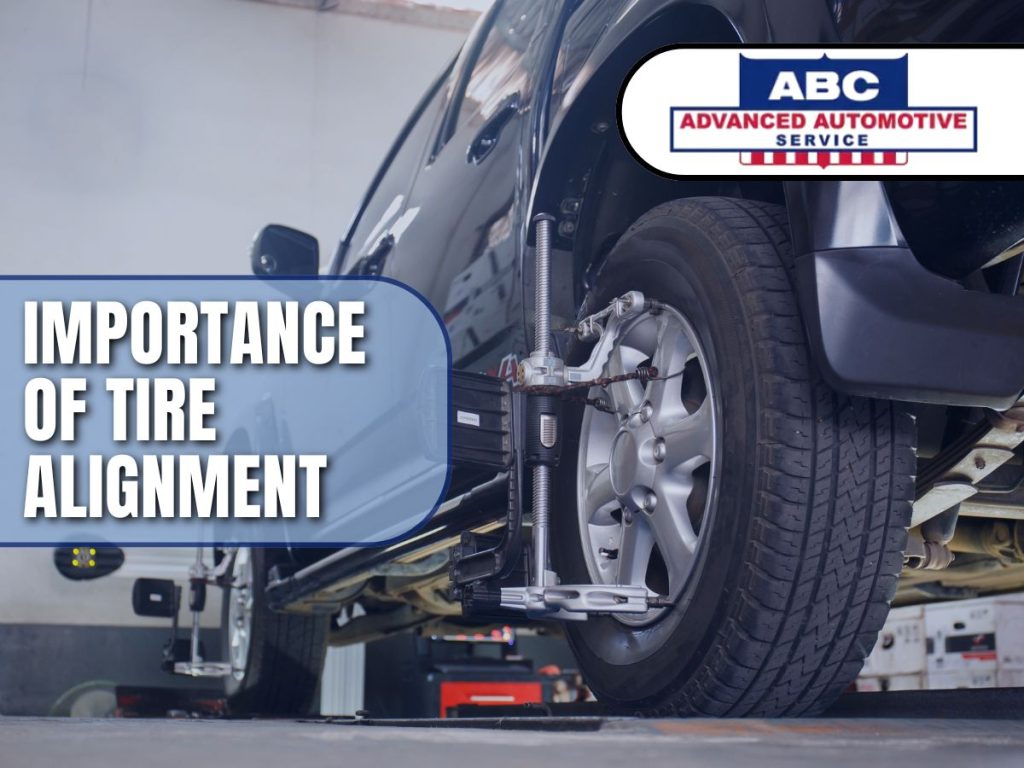
Why Tire Alignment Matters
Many drivers overlook tire alignment, assuming it’s only necessary when their car pulls to one side. However, improper alignment can cause uneven tire wear, reduced fuel efficiency, and compromised vehicle handling. Ignoring misalignment leads to costly repairs and safety risks, making regular alignment checks essential. Understanding the importance of tire alignment helps drivers maintain optimal performance, extend tire lifespan, and ensure a smoother, safer driving experience. This guide explains why proper tire alignment is crucial and how it benefits both your vehicle and your wallet.
How Tire Alignment Affects Vehicle Performance
Tire alignment refers to the adjustment of a vehicle’s suspension system, ensuring that the tires meet the road at the correct angles. Proper alignment improves handling, enhances stability, and prevents premature tire wear. When alignment is off, even slightly, it negatively affects several aspects of vehicle performance. Here are benefits of proper tire alignment.
Ensures Proper Contact with the Road
Tire alignment adjusts the suspension system so that tires meet the road at the correct angles. Proper alignment enhances handling, stability, and overall driving comfort. It also ensures that the tires wear evenly, which extends their lifespan and improves vehicle safety.
Prevents Uneven Tire Wear
Misaligned tires experience irregular friction, leading to premature wear. The NHTSA states that misalignment can reduce tire lifespan by up to 25%, costing drivers hundreds of dollars annually in early replacements. Regular alignments help distribute the weight evenly across all four tires, preventing one from wearing out faster than the others.
Improves Fuel Efficiency
Misalignment increases rolling resistance, making the engine work harder. According to the U.S. Department of Energy, fixing alignment can improve gas mileage by up to 10%, resulting in significant fuel savings over time. Less rolling resistance means the engine doesn’t have to exert extra power, reducing fuel consumption and lowering emissions.
Enhances Stability and Handling
A misaligned vehicle may pull to one side, requiring constant steering adjustments. This leads to driver fatigue and can be dangerous, especially in wet conditions or during emergency braking. Proper alignment keeps the vehicle balanced, allowing for smoother cornering and reducing the risk of losing control on slippery roads.
Prevents Unnecessary Stress on Other Components
Suspension and steering parts, like ball joints, tie rods, and shocks, wear out faster when alignment is off. Regular checks prevent expensive repairs in the long run. Misalignment forces these components to work harder than necessary, leading to premature failure and potential safety hazards.
Ignoring alignment issues also puts stress on other vehicle components. Suspension and steering systems must compensate for misalignment, leading to accelerated wear on ball joints, tie rods, and shocks. Over time, this results in costly repairs that could have been prevented with regular alignment checks.
A driver ignored alignment issues for months and noticed severe vibrations at high speeds. A mechanic found extreme tire wear, requiring a full set of new tires costing $600. A timely alignment check could have prevented this expense.
Signs of Misalignment and When to Get an Alignment Check
Recognizing the warning signs of poor tire alignment can help drivers address issues before they lead to significant damage or safety risks. Several common indicators suggest that a vehicle needs an alignment check.
Vehicle Pulls to One Side
If a car drifts left or right when driving straight, misalignment is likely. A properly aligned vehicle should require minimal steering corrections. If left unchecked, this issue can worsen over time, making it more difficult to control the vehicle, especially at high speeds.
Uneven or Rapid Tire Wear
Checking tread patterns regularly helps detect misalignment. Tires wearing out on one side or developing bald spots indicate alignment issues. Uneven wear reduces traction, making it harder for the tires to grip the road, which can be especially dangerous in wet or icy conditions.
Steering Wheel Vibrations or Off-Center Position
Misalignment can cause steering wheel vibrations, even on smooth roads. If the wheel sits at an angle while driving straight, it’s a red flag. Persistent vibrations not only affect driving comfort but can also indicate that other components, like the suspension or wheel bearings, are being strained.
Reduced Handling and Stability at High Speeds
Poor alignment affects traction and braking, making the car feel unstable. A properly aligned vehicle ensures even weight distribution for smoother handling. This is particularly crucial during sudden maneuvers or emergency braking, where poor alignment can increase stopping distances and decrease response times.
Should Be Checked Annually or After Impact
Experts recommend checking alignment once a year or after installing new tires. Hitting potholes, curbs, or driving on rough roads can accelerate misalignment. Even minor collisions or frequent bumps can gradually shift the alignment, leading to progressive handling and performance issues.
For instance, a driver who frequently commuted on poorly maintained roads noticed excessive tire wear after just six months. A mechanic confirmed severe misalignment, which was causing unnecessary strain on the tires and suspension. A quick alignment correction restored handling and prevented further damage, saving the driver from an early tire replacement.
Conclusion
Tire alignment is essential for vehicle safety, fuel efficiency, and tire longevity. Misalignment causes uneven tire wear, increases fuel consumption, and leads to poor handling. By recognizing the signs of misalignment and scheduling routine checks, drivers can prevent costly repairs and enjoy a smoother, safer ride. Ignoring alignment issues not only shortens tire lifespan but also places unnecessary stress on the vehicle’s suspension and steering components.
Your car’s performance and safety depend on proper tire alignment. Avoid unnecessary expenses, improve fuel efficiency, and extend the life of your tires by scheduling a tire alignment check today. Keeping your wheels aligned ensures a smoother, safer ride and prevents costly repairs in the future. Don’t wait—ensure your vehicle stays in top condition with routine alignment maintenance.
FAQs
- How often should I get a tire alignment?
Most experts recommend a tire alignment check once a year or every 10,000–12,000 miles. However, if you frequently drive on rough roads, hit potholes, or notice signs of misalignment, you should have it checked sooner. - What causes tire misalignment?
Hitting potholes, curbs, or road debris, as well as worn suspension components, can cause misalignment. Even minor accidents or driving on rough terrain can gradually affect alignment. - Can misalignment cause vibrations in my car?
Yes, misaligned tires can lead to steering wheel vibrations, especially at high speeds. This occurs because the tires are pulling in different directions, creating instability in the suspension system. - Will getting an alignment improve my gas mileage?
Yes, proper tire alignment reduces rolling resistance, making it easier for the engine to move the car. The U.S. Department of Energy states that good alignment can improve fuel efficiency by up to 10%. - What happens if I don’t fix my tire alignment?
Ignoring misalignment leads to uneven tire wear, poor handling, increased fuel consumption, and stress on suspension components. Over time, these issues can result in expensive repairs and reduced vehicle safety.