

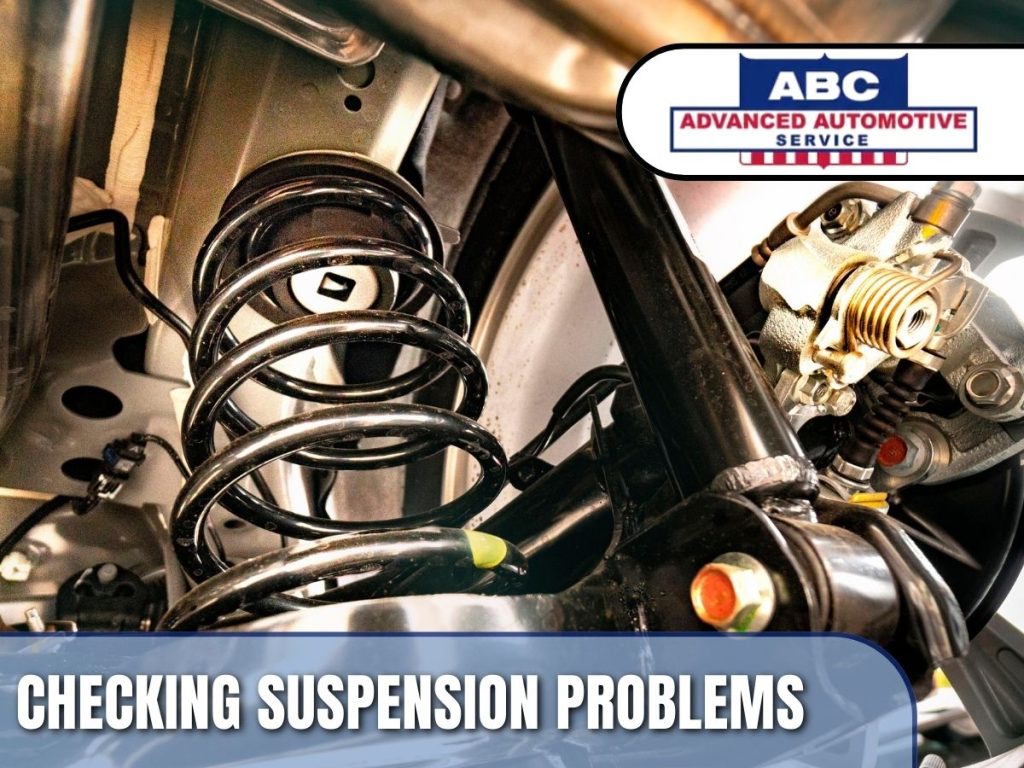
Does your car feel bouncy, unstable, or hard to control? These are often signs of suspension problems. The suspension system plays a crucial role in keeping your vehicle stable and ensuring a comfortable ride by absorbing road shocks. However, many drivers ignore the early warning signs, leading to costly repairs and unsafe driving conditions. Checking suspension problems early can save you money and prevent accidents. In this guide, we’ll go over the key signs of a failing suspension, how to diagnose problems yourself, and a real-world case study of how an issue was identified and fixed.
Signs of Suspension Problems
The suspension system consists of several components, including shocks, struts, control arms, and springs. These parts work together to absorb road impacts and keep the tires in contact with the ground. When one or more of these components fail, the ride quality and handling of the vehicle suffer. Recognizing the signs of a bad suspension can help you address problems before they become severe.
Uneven Tire Wear
One of the most common indicators of a suspension issue is uneven tire wear. If you notice that the tread on your tires is wearing down irregularly, it may be due to poor alignment or a failing suspension component. Worn-out shocks, struts, or ball joints can cause excessive pressure on specific parts of the tire, leading to premature wear. This issue not only affects your suspension but also compromises the grip and stability of your car.
Rough and Bouncy Ride
A bumpy, uncomfortable ride is a strong indication of worn-out shock absorbers or struts. If your car bounces too much after hitting bumps or potholes, it means these components, responsible for stabilizing the vehicle and absorbing road vibrations, are failing, which can lead to unstable handling and a riskier driving experience.
Failing Suspension System
Another symptom of a failing suspension system is nose-diving when braking or rear-end squatting when accelerating. If the front of your car dips forward significantly when you apply the brakes, it indicates weak shocks or struts. Similarly, if the rear of your car drops when you accelerate, your rear shocks or springs might be worn out. This can affect braking efficiency and overall stability, increasing the risk of losing control.
Difficulty in Steering
Difficulty in steering is also a major red flag. If your steering wheel feels unusually stiff, unresponsive, or requires more effort to turn, it could be due to failing suspension components such as control arms, tie rods, or bushings. These parts help maintain precise steering control, and when they wear out, the car may feel sluggish or unpredictable when turning.
Unusual noises
while driving can also point to suspension problems. If you hear clunking, knocking, or squeaking sounds when going over bumps, there’s a good chance that suspension components like ball joints or sway bar links are loose or broken. These sounds typically occur when metal components are worn out and start moving unnaturally.
Vehicle Pulling
Another common issue is vehicle pulling. If your car drifts to one side without steering input, it may indicate an alignment problem or worn suspension parts. Poor alignment can cause the suspension system to work harder than necessary, leading to additional wear on components.
How to Check Suspension Problems Yourself
Performing simple suspension checks at home can help you identify problems before they get worse. One of the easiest ways to test your suspension is the bounce test. To do this, park your car on level ground and press down firmly on the front of the vehicle. Release the pressure and observe how many times the car bounces before settling. If it bounces more than twice, the shocks or struts are likely worn and need replacement. This test can also be performed on the rear of the vehicle for a complete check.
Inspect Shocks and Struts for Leaks
Check your shocks and struts for leaks as part of suspension inspection. These components use hydraulic fluid to absorb vibrations. If you see any fluid leakage, it indicates they’re malfunctioning and need replacement. Loss of hydraulic fluid impairs the suspension, causing a rougher, more unstable ride.
Listen to Noises While Driving
Listening for noises while driving is also a helpful diagnostic method. Drive slowly over bumps, potholes, or rough surfaces and pay attention to any clunking or knocking sounds. If you hear these noises, inspect the suspension components for looseness or damage. Worn-out ball joints, bushings, or control arms can cause these noises and need to be replaced to restore smooth operation.
Check Car Alignment
Checking your car’s alignment is another critical step. Misaligned wheels put unnecessary strain on suspension components, leading to premature wear. To check alignment, park your car on a level surface and visually inspect the wheels. If they appear tilted inward or outward, it could indicate misalignment. You can also check for uneven steering resistance or a drifting sensation while driving. If the alignment is off, it should be corrected by a professional to prevent further damage.
Test Steering Response
Testing the steering response is another useful way to identify suspension problems. While driving at a moderate speed, turn the steering wheel slightly to the left and right. If the car responds slowly or feels unstable, the suspension may not be properly supporting the vehicle. In some cases, stiff steering could be caused by worn control arms or tie rods.
Case Study: Diagnosing and Fixing a Suspension Issue
John, a daily commuter, noticed his car pulling to one side and feeling bouncy over bumps. He also heard knocking sounds when driving on uneven roads. Concerned, he performed a bounce test and observed the car bouncing several times, indicating worn shock absorbers. Upon inspecting the shocks, he found fluid leakage, confirming they needed replacement. Additionally, John noticed uneven tire wear, suggesting poor suspension was affecting alignment. He took his car to a mechanic, who confirmed the shock absorbers were faulty and performed a wheel alignment. After replacing the shocks and correcting the alignment, John’s car’s ride, stability, and handling improved significantly. Catching the issue early saved him from costly repairs and further suspension damage.
Conclusion
Checking for suspension problems regularly can help you prevent costly repairs and ensure a smooth and safe driving experience. If you notice signs such as uneven tire wear, excessive bouncing, steering difficulties, or unusual noises, it’s important to inspect your suspension system. Performing simple tests like the bounce test, shock absorber inspection, and alignment check can help you diagnose issues before they worsen. If you’re unsure or notice persistent problems, consulting a mechanic is always the best option. Keeping your suspension in good condition not only improves ride comfort but also enhances your vehicle’s overall safety and performance.
Want to learn more about car maintenance? Check out our other guides, including winterizing your vehicle tips, as well as car maintenance and safety tips!
FAQs
1. What happens if I ignore suspension problems?
Ignoring suspension problems can lead to poor handling, increased stopping distances, and uneven tire wear, making driving unsafe and potentially causing accidents.
2. How often should I check my suspension?
It’s recommended to inspect your suspension every six months or whenever you notice changes in ride quality or handling.
3. Can I drive with bad shocks or struts?
Driving with bad shocks is unsafe as it reduces vehicle stability, braking efficiency, and overall control, especially in wet or uneven road conditions.
4. How much does it cost to repair a suspension system?
The cost varies depending on the problem. Shock or strut replacements typically range from $300 to $1,000 per pair, while full suspension repairs can exceed $1,500.
5. What’s the best way to maintain a healthy suspension?
Regularly check tire pressure, wheel alignment, and suspension components for signs of wear. Replace worn-out parts promptly to ensure optimal performance.