

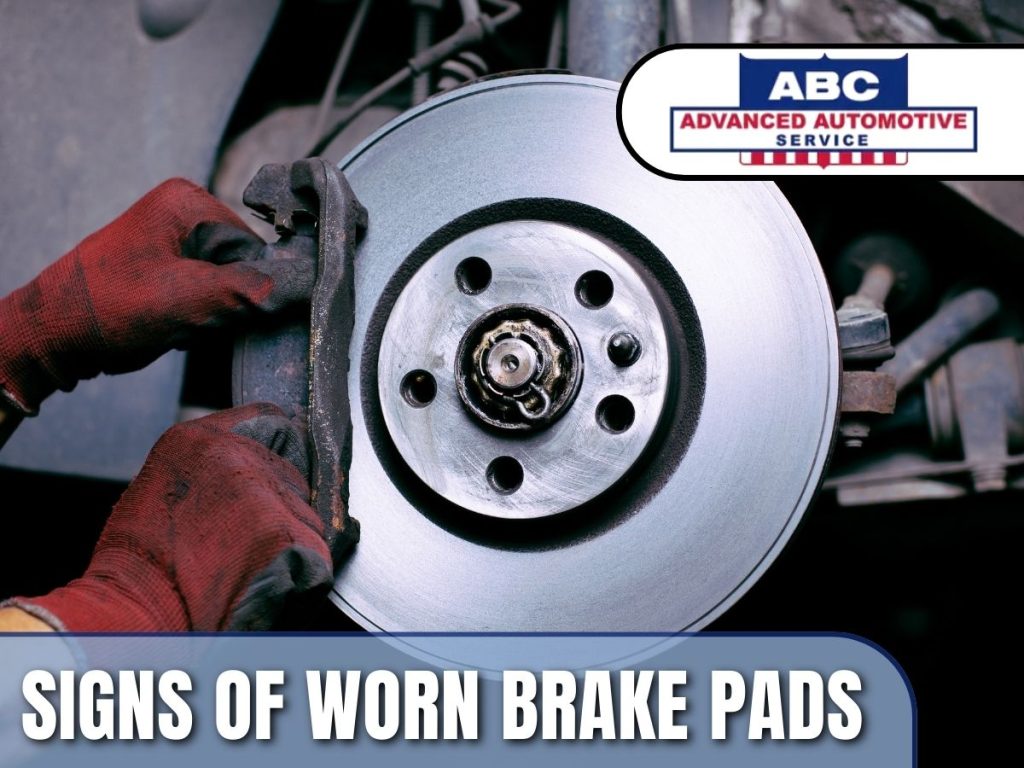
Brake pads are crucial for the safety and performance of your vehicle. Worn brake pads can lead to dangerous situations, but how do you know when it’s time to replace them? Understanding the signs of worn brake pads can help you avoid brake failure and costly repairs. Here’s a detailed look at how to recognize these signs and maintain your car’s braking system.
Unusual Noises While Braking
One of the most common signs of worn brake pads is strange sounds when you apply the brakes. If you hear a high-pitched squealing, squeaking, or grinding noise, it’s time to pay attention. These sounds usually occur when the brake pad material wears down to a level where it contacts the metal rotor. Here’s what each noise typically means:
- Squealing or Squeaking: This could indicate that the brake pads have a wear indicator built into them, which starts making noise when the pads are thinning. It serves as an early warning for replacement.
- Grinding: If you hear a grinding noise, it is an indicator that the brake pads are completely worn down and the metal is now rubbing directly against the rotor. This situation demands immediate attention because it can damage the rotor and increase repair costs.
Real-World Example:
Sarah noticed her car making a squeaking sound every time she applied the brakes. Initially, she thought it was just a minor issue. After a few weeks, the noise grew louder, and she took her car to the shop. Her mechanic found that the brake pads were almost entirely worn down, and the noise was the wear indicator warning her of the imminent danger.
Vibration or Pulsation When Braking
Another noticeable sign of worn brake pads is vibration or pulsation in the brake pedal when you apply the brakes. This usually happens because the pads have worn unevenly, leading to a lack of smooth contact with the rotor. When this occurs, you may feel the pedal pulse as it tries to compensate for the uneven wear.
If the rotors are worn too, it can further exacerbate this problem, creating a rougher braking experience. In some cases, the rotors may need to be resurfaced or replaced to restore optimal braking performance.
Real-World Example:
Mike was driving on a highway when he felt a strange pulsing sensation under his foot as he applied the brakes. Concerned, he brought his car into the mechanic, who found that both his brake pads and rotors were heavily worn. After replacing the parts, the vibrations stopped, and his car’s braking was smooth again.
Reduced Braking Efficiency
If you experience longer stopping distances or notice that the brake pedal feels unusually “soft” or spongy, it could be a sign that your brake pads are worn down. As brake pads degrade, their ability to generate the friction needed to slow your car diminishes. This reduction in braking efficiency can severely compromise your vehicle’s stopping power, creating dangerous conditions—especially when quick reactions are required.
Additionally, low brake fluid levels can also contribute to decreased braking performance, so it’s important to check both your pads and fluid regularly. If you observe any decline in braking ability, it’s crucial to address the issue as soon as possible to avoid more serious safety concerns.
Brake Pad Warning Light
Most modern vehicles are equipped with an onboard diagnostics system that monitors the condition of your braking system. Some vehicles have a brake pad wear indicator that triggers a warning light when the pads are near the end of their lifespan. While this light can sometimes indicate other braking issues, it’s wise to get your brake pads checked if the warning light illuminates.
Even if you don’t have a warning light, it’s a good practice to have your brake pads checked regularly as part of routine maintenance.
Visible Wear on Brake Pads
If you’re comfortable inspecting your car, you can visually check the brake pads for wear. Typically, the brake pads should have a thickness of about 1/4 inch (6mm). If they are significantly thinner than that, they have to be replaced. You can view the brake pads through the spokes of the wheel or remove the wheel to get a closer look. Be sure to check both the inner and outer pads, as they may wear unevenly.
Conclusion
Knowing the signs of worn brake pads is essential for your safety and the longevity of your vehicle. From unusual noises to changes in braking performance, paying attention to these warning signs can help you catch problems before they turn into costly or dangerous situations. Regular maintenance and timely replacement of brake pads can ensure your car remains safe on the road.
If you’re unsure about the condition of your brake pads, don’t wait for a warning sign to appear. Visit a mechanic for a professional inspection and keep your brakes in top shape.
Stay safe and maintain your vehicle’s critical systems, including checking suspension problems and brake system inspections, to ensure optimal performance. If you found this article helpful, explore more maintenance tips or download our free guide on vehicle upkeep to keep your car running smoothly.
Frequently Asked Questions (FAQs)
1. How can I tell if my brake pads are worn out?
Look for signs such as unusual noises (squealing or grinding), a soft or spongy brake pedal, longer stopping distances, or vibrations when braking. Additionally, if the brake warning light on your dashboard comes on, it’s time to inspect your brake pads.
2. How long do brake pads typically last?
Brake pads usually last between 30,000 and 70,000 miles, depending on factors like driving style, vehicle type, and the quality of the pads. Regular checks can help ensure they are replaced at the right time.
3. Can worn brake pads damage other parts of my car?
Yes, if you drive with worn brake pads it can damage other components of your vehicle, particularly the rotors. If the pads wear down too much, metal-to-metal contact with the rotors can cause deep grooves and further issues that require expensive repairs.
4. Is it safe to drive with worn brake pads?
No, it’s not safe. Worn brake pads reduce your ability to stop quickly and efficiently, especially in emergencies. Continuing to drive with worn pads can increase your risk of accidents and may lead to further damage to the braking system.
5. What causes brake pads to wear out quickly?
Brake pads can wear out faster if you drive aggressively (hard braking or fast speeds), have a heavy vehicle, or frequently drive in stop-and-go traffic. The material of the brake pads also affects their lifespan, with softer materials wearing out more quickly.
6. How much does it cost to replace brake pads?
The cost varies depending on the make and model of your car. The average cost is between $100 and $300 per axle for brake pad replacement, with additional charges for labor or rotor replacement if necessary.