

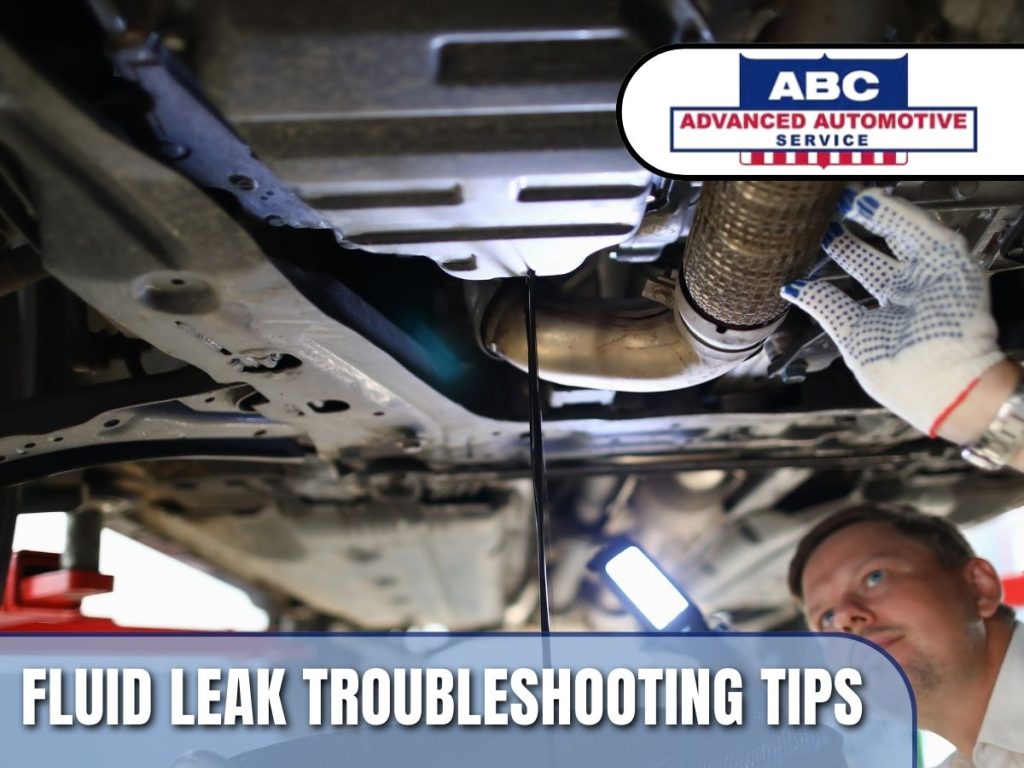
Fluid leaks are a common issue for car owners, often signaling potential problems with your vehicle’s components. Leaks lead to costly repairs and affect the performance and safety of your car. In this post, we’ll guide you through troubleshooting fluid leaks, helping you pinpoint the issue and take the right steps to address it.
Identifying the Type of Fluid Leak
The first step in troubleshooting a fluid leak is identifying the type of fluid that’s leaking from your vehicle. The color, consistency, and location of the fluid can provide vital clues as to what’s gone wrong. Here’s how to identify some of the most common fluid leaks:
Engine Oil
These leaks are usually dark brown or black in color, with a slippery, oily consistency. These leaks are commonly found around the engine or beneath the oil pan. They often occur due to worn gaskets and seals or an improperly tightened oil filter. If left unaddressed, an oil leak can lead to low oil levels, increasing engine wear and potentially causing significant damage over time.
Transmission Fluid
Typically, transmission fluid is red or pink in color, with a slick and oily texture that is thinner than engine oil. It often leaks near the transmission pan or underneath the vehicle. Common causes of transmission fluid leaks include worn-out seals, issues with the transmission pan, or faulty cooler lines.
Coolant/Antifreeze
Coolant, also known as antifreeze, varies in color depending on the type, often appearing green, orange, or pink. It has a watery consistency and a distinct sweet smell. Leaks are most often found under the front of the vehicle near the radiator. Possible culprits include leaking hoses, cracks in the radiator, or a failing water pump. A coolant leak can quickly lead to engine overheating, making prompt attention crucial.
Brake Fluid
This one starts off clear or light brown and has a thin, slippery feel. It typically leaks near the brake pedal area, along the brake lines, or around the wheels. A loss of brake fluid can indicate leaky brake lines, worn seals, or a faulty master cylinder. Because the braking system relies on hydraulic pressure, even a small leak can severely impact your car’s ability to stop safely.
Power Steering Fluid
Power steering fluid is usually red or brown, with a thin, oily texture. If your car is leaking power steering fluid, you’ll likely find it under the steering wheel area or near the power steering pump. Leaks often stem from damaged hoses or failing seals within the power steering system. Ignoring a leak could lead to difficulty steering, especially at lower speeds, which can be dangerous in emergency situations.
Windshield Washer Fluid
This is the easiest to identify due to its bright blue or green color and watery, sometimes soapy consistency. If you notice a leak near the windshield wiper reservoir or under the front of the car, it may be due to a cracked reservoir or disconnected hoses. While not a critical mechanical issue, a properly functioning washer fluid system is essential for clear visibility while driving.
Locating the Leak and Determining the Cause
Once you’ve identified the type of fluid, the next step is locating the exact source of the leak. Here’s a guide to help you effectively track down and assess the issue:
Inspect the Ground for Fluid Puddles
The first place to check is the area where the vehicle has been parked. Fluid puddles can give you an idea of where the leak is coming from. Pay attention to the size, color, and texture of the puddle. If the fluid is coming from the front of the car, it could be coolant or oil. If it’s near the wheels, it might be brake or power steering fluid.
Look for Stains or Residue on the Vehicle
If you don’t see any puddles but suspect a leak, take a closer look at your car’s undercarriage. Look for dried stains or greasy residue on parts like the oil pan, transmission pan, radiator, and brake lines. This can help you pinpoint the area where the fluid is leaking from.
Check for Visible Damage
Inspect the engine bay and under the vehicle for any obvious signs of damage. Cracked hoses, broken seals, or worn-out gaskets can all lead to fluid leaks. Look for parts that may have come loose or any areas where fluid could be seeping out.
Use UV Dye to Detect Leaks
If you’re still unable to identify the leak, you can use UV dye to help locate the source. Special UV dyes are available that can be added to fluids like engine oil, coolant, and transmission fluid. Once the dye is added, run the car and use a UV light to trace the leak. This method is especially useful for hard-to-reach or hidden leaks.
Check Fluid Levels
Regularly check your vehicle’s fluid levels to see if there’s a significant drop. If your oil or coolant levels are depleting faster than normal, this could confirm that you have a leak. It’s also a good idea to compare the consistency and color of the fluid inside the reservoir to what is leaking.
Example Case Study:
Jane noticed a puddle of pink fluid under her car one morning, and the brake pedal felt soft while driving. Upon inspecting the car, she saw the fluid was coming from a small crack in the brake line near the rear axle. By getting the brake line replaced immediately, she was able to prevent a more serious braking failure.
Addressing the Leak: DIY vs Professional Repair
Once you’ve located the leak, it’s time to decide whether it’s something you can repair yourself or if you need professional assistance.
DIY Repairs
If the leak is minor and you have basic car maintenance skills, you may be able to fix it yourself. For example:
- Replacing an oil filter or tightening it to stop oil leaks.
- Replacing cracked hoses or seals in the radiator or cooling system.
- Using a stop-leak additive for minor transmission or power steering fluid leaks.
- Fixing small brake line leaks with a sealant or replacing the brake line if necessary.
Before attempting any repair, be sure you have the correct tools and understand the steps involved. If you’re unsure, it’s always better to consult a professional mechanic.
Professional Repairs
Some fluid leaks may be beyond a DIY fix, especially if the damage involves complex components like the engine block, transmission, or brake system. In these cases, it’s best to take your car to a professional. An experienced mechanic will be able to assess the damage, identify any underlying issues, and perform the necessary repairs to ensure your car is safe and operational.
Conclusion
Fluid leaks are a common issue, but with the right knowledge and tools, you can identify the problem and take the necessary steps to resolve it. Whether it’s through a DIY fix or professional repair, addressing fluid leaks promptly is essential to keeping your vehicle in good condition. Regular maintenance and early troubleshooting can save you from more serious issues down the road.
If you found this guide on recognizing the signs of worn brake pads helpful, explore more car maintenance tips or download our free checklist to keep your vehicle running smoothly. Regular inspections, including monitoring for signs of worn brake pads, and quick fixes can help extend the life of your car and prevent costly repairs down the road.
Frequently Asked Questions (FAQs)
1. How do I know which fluid is leaking from my car?
You can identify the type of fluid by its color, consistency, and location. For instance, engine oil is dark brown or black and slippery, while coolant is typically green or pink and has a sweet smell.
2. Is it safe to drive a car with a fluid leak?
It depends on the severity of the leak. Minor leaks may not affect performance significantly, but larger leaks—especially from essential systems like brakes, coolant, or transmission—can lead to dangerous driving conditions. It’s best to get any leaks checked immediately.
3. Can I fix a fluid leak myself?
Minor leaks such as loose oil filters, small hose cracks, or brake fluid leaks can be fixed with DIY repairs. However, more complex issues may require professional attention.
4. How can I prevent fluid leaks in my car?
Regularly maintaining your vehicle by inspecting hoses, seals, and gaskets, as well as changing fluids on time, can help prevent leaks. Regular inspections can catch potential issues before they develop into leaks.
5. What happens if I ignore a fluid leak?
Ignoring a fluid leak can lead to more severe damage to your vehicle’s components. For instance, low brake fluid can lead to brake failure, while a coolant leak can cause engine overheating and permanent damage.