

An exhaust system plays a crucial role in reducing emissions and improving engine performance, but like any part of your vehicle, it can develop issues over time. Recognizing exhaust system problems early can prevent costly repairs and improve your car’s efficiency. If you’re hearing strange noises, noticing unusual smells, or experiencing poor fuel efficiency, it’s time to address these exhaust system issues.
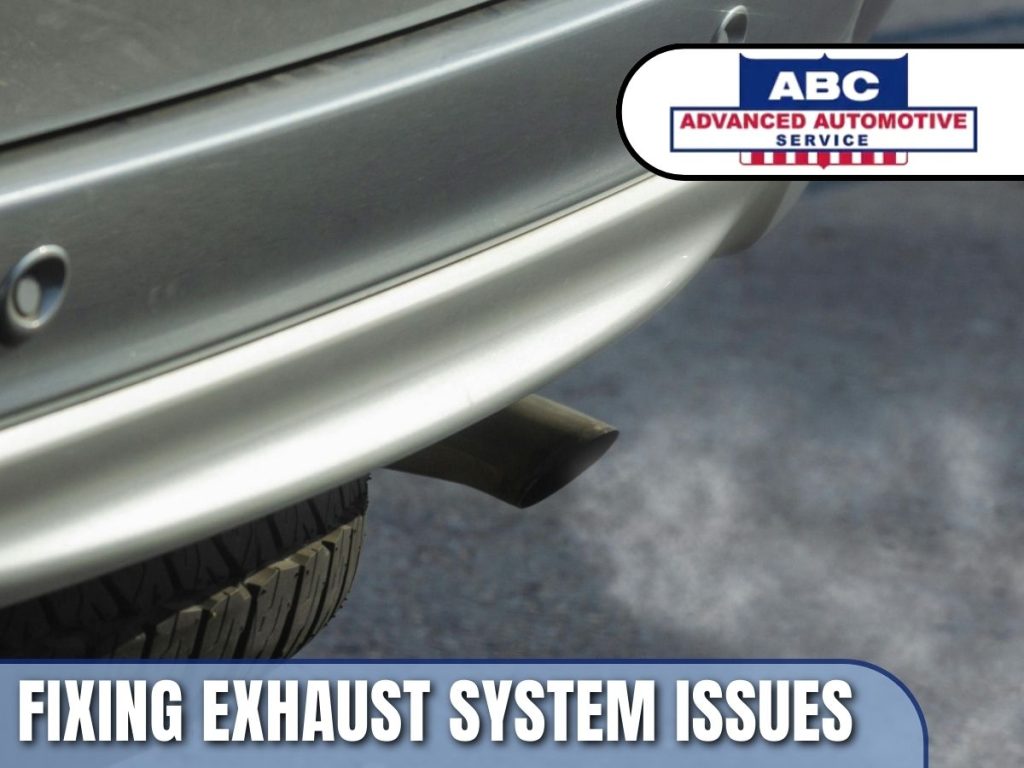
Common Exhaust System Problems
The exhaust system in your car serves several functions, including filtering out harmful gases, reducing noise, and helping your engine run smoothly. However, problems can arise due to wear, corrosion, or poor maintenance. Here are some of the most common exhaust system issues:
Exhaust Leaks
An exhaust leak occurs when there is a crack or hole in the exhaust pipes or other components like the manifold or catalytic converter. These leaks can lead to increased engine noise, a noticeable drop in engine performance, and an unpleasant smell from the exhaust gases entering the cabin. If left unchecked, exhaust leaks can affect the vehicle’s fuel efficiency and engine power.
Causes of Exhaust Leaks:
- Rust or corrosion due to weather or road conditions.
- Physical damage from debris or accidents.
- Loose or worn-out gaskets.
How to Fix It: Exhaust leaks can usually be repaired by replacing the damaged sections of the exhaust pipe or tightening any loose connections. In severe cases, the entire exhaust manifold or other components may need to be replaced. It’s also recommended to check the exhaust system regularly for rust, especially in regions that experience harsh winters.
Clogged Catalytic Converter
The catalytic converter is a vital component that reduces harmful emissions in your vehicle’s exhaust. Over time, the converter can become clogged with carbon deposits, causing the engine to run less efficiently. Symptoms of a clogged catalytic converter include sluggish acceleration, poor fuel economy, and the “check engine” light illuminating on the dashboard.
Causes of a Clogged Catalytic Converter:
- Poor-quality fuel.
- Frequent short trips that don’t allow the engine to reach optimal temperatures.
- Faulty engine components like the oxygen sensor.
How to Fix It: A clogged catalytic converter typically requires replacement, as cleaning it is often not effective. Regular maintenance, such as monitoring the oxygen sensor and using high-quality fuel, can prevent this issue from occurring. If a catalytic converter becomes severely clogged, it can cause engine damage, so it’s important to address the issue promptly.
Diagnosing Exhaust System Issues
To properly fix exhaust system problems, it’s essential to first diagnose the issue accurately. Here’s a step-by-step guide to help you identify common exhaust system issues:
- Listen for Strange Noises: Pay attention to any unusual sounds, such as loud rumbling, hissing, or popping noises coming from the exhaust area. These could be signs of leaks or cracks.
- Smell the Exhaust: If you notice a sulfur-like smell (like rotten eggs), this could indicate a problem with the catalytic converter. A strong exhaust odor in the cabin could also point to an exhaust leak or a failing seal.
- Monitor Performance: If your car has decreased acceleration, stutters while idling, or struggles to maintain speed, it could be due to exhaust system issues such as a clogged catalytic converter or exhaust leak.
- Check for Visual Damage: Inspect the exhaust pipes for visible rust, cracks, or holes. Also, look for any loose or damaged exhaust hangers or clamps.
Exhaust Pipe Repairs and Replacement
The exhaust pipe is the most commonly affected part of the exhaust system, often becoming corroded or cracked due to rust, road debris, or extreme temperatures. While minor leaks in the exhaust pipe can be patched temporarily, serious damage will require a full replacement.
How to Replace:
- Lift the vehicle using a jack to gain access to the exhaust system.
- Remove the damaged sections using a saw or wrench to disconnect any bolts or clamps.
- Install the new exhaust pipe and reattach the components securely.
Replacing the Catalytic Converter
If a clogged catalytic converter is the issue, the most effective solution is to replace it entirely. Since this part is located under the vehicle, it may require a professional mechanic to ensure proper installation.
How to Replace:
- Lift the vehicle and locate the catalytic converter.
- Disconnect the pipes on both ends and remove the old converter.
- Install the new catalytic converter and secure the pipes back into place.
Cost: Replacing a catalytic converter can be costly, ranging from $500 to $2,500, depending on the make and model of your car.
Case Study
John, a vehicle owner from the Midwest, noticed his car was emitting strange noises and had a decline in acceleration. He took his vehicle in for an inspection, and the mechanic discovered a small crack in the exhaust pipe. Luckily, because John regularly maintained his vehicle, including timely exhaust system inspections, he caught the issue early. The mechanic was able to patch the crack, avoiding the need for a full exhaust pipe replacement. This simple repair saved him hundreds of dollars and kept his car running smoothly.
Conclusion
Exhaust system problems are common, but they are preventable and repairable with proper care and timely maintenance. Whether it’s a minor exhaust leak or a more serious issue like a clogged catalytic converter, addressing these problems early can save you from costly repairs and potential engine damage. Regularly inspect your exhaust system, listen for strange noises, and watch for performance issues to stay on top of any exhaust system concerns.
If you’ve identified an issue with your exhaust system, don’t delay in addressing it. Regular maintenance and prompt repairs ensure your vehicle remains efficient, safe, and environmentally friendly.
Want to learn more about vehicle maintenance, including what is a timing belt and how it affects your car’s performance? Download our free checklist or explore more articles to keep your car in top shape.
FAQs
- How do I know if my car has an exhaust leak? Look for signs like unusual engine noises, increased fuel consumption, or exhaust odors entering the cabin.
- What happens if I ignore a clogged catalytic converter? Ignoring a clogged catalytic converter can lead to engine damage, poor performance, and even a complete engine failure.
- How long does an exhaust system last? An exhaust system can last anywhere from 10 to 15 years, depending on maintenance and driving conditions.
- Can I drive with an exhaust leak? While it’s possible to drive with a small exhaust leak, it’s not recommended. A significant leak can affect engine performance and safety.
- Is it expensive to replace a catalytic converter? Yes, replacing a catalytic converter can be expensive, with costs ranging from $500 to $2,500, depending on the vehicle.