

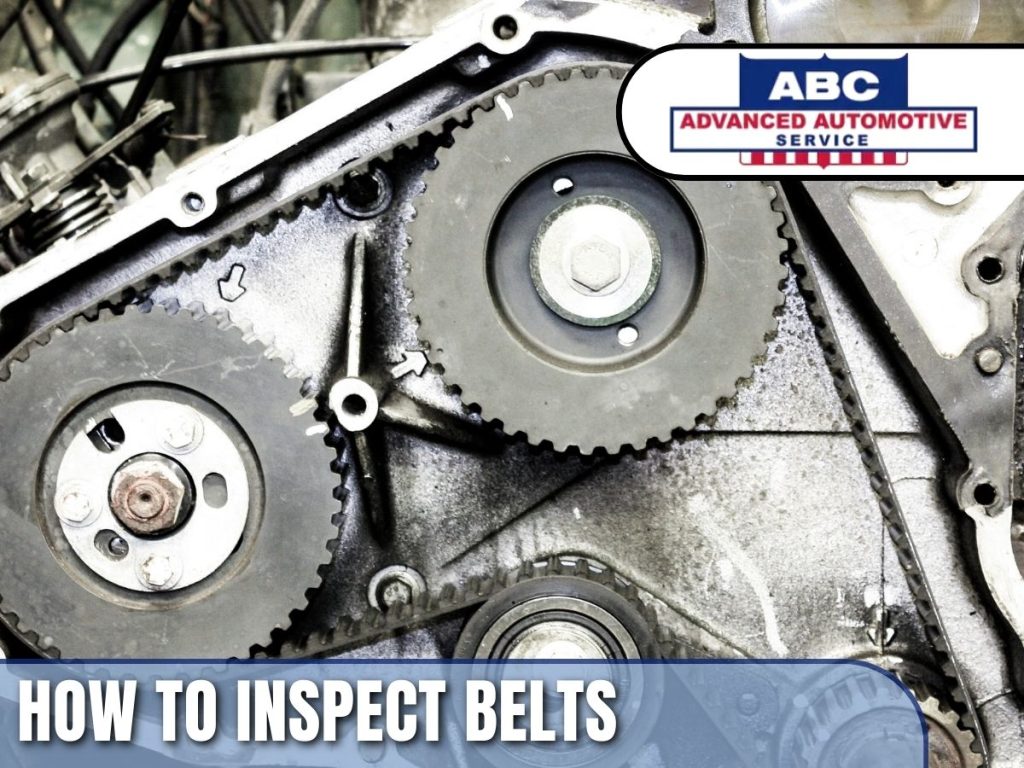
Your vehicle’s belts play a crucial role in its performance. They power critical components like the alternator, power steering, and air conditioning. Inspecting these belts regularly ensures they’re in good condition, preventing costly repairs or breakdowns. In this guide, we’ll walk you through how to inspect belts, identify issues, and maintain them for optimal vehicle performance.
Why Belts Matter: Understanding Their Role
Belts in your vehicle are often unsung heroes, working tirelessly to transfer power from the engine to various components. There are different types of belts in modern vehicles, including:
Serpentine Belts:
These long belts are responsible for powering several components like the alternator, power steering pump, and air conditioning compressor.
Timing Belts:
These belts ensure the smooth operation of the engine by synchronizing the movement of the crankshaft and camshaft. If the timing belt fails, the engine can be severely damaged.
V-Belts:
Found in older vehicles, V-belts are responsible for powering certain components, including the water pump and alternator.
While your car’s engine runs, these belts continually transfer energy and perform multiple tasks. However, with wear and tear, they can develop issues such as cracks, fraying, or stretching. That’s why it’s essential to regularly inspect and replace these belts as needed to keep your vehicle running smoothly.
How to Inspect Belts
Inspecting belts involves checking for signs of wear, damage, or misalignment. Below, we break down the process into two main sections: visual inspection and functional inspection.
Visual Inspection of Belts
The first step in inspecting your vehicle’s belts is to perform a simple visual inspection. You don’t need any special tools to do this, just good lighting and a clear view of the belts. Here’s how to conduct a thorough visual inspection:
Step-by-Step Process:
- Locate the Belts: Depending on your vehicle, you may have to remove a few covers or components to access the belts. In most cases, serpentine and timing belts are located at the front of the engine, while V-belts are typically found on older models.
- Look for Cracks and Fraying: Examine the belts closely for visible signs of damage. Small cracks or fraying can quickly escalate into bigger problems if not addressed. Check for signs of dry rot or excessive wear, particularly on the edges of the belt.
- Check for Wear Patterns: Over time, belts may begin to wear unevenly. Look for any smooth or shiny spots that indicate friction, or uneven wear along the length of the belt. This can be a sign that the belt is misaligned or stretched.
- Inspect the Tension: Use your fingers to gently press down on the belt. You should feel some tension, but not too much give. If the belt feels loose or has a lot of slack, it may need adjustment or replacement.
- Examine the Pulley System: The pulleys that the belts run on should also be checked. Ensure they are aligned properly and free of debris. Misaligned pulleys can cause excessive wear on the belts, leading to premature failure.
What to Look For:
- Cracks and splits
- Shiny or glazed surfaces
- Fraying or missing teeth (on timing belts)
- Loose or misaligned belts
Functional Inspection of Belts
A visual inspection is important, but it’s also essential to test the functionality of the belts. This involves checking how the belts are operating when the engine is running.
Step-by-Step Process:
- Listen for Unusual Noises: Start the engine and listen for any squealing or squeaking sounds, especially when starting the vehicle or during acceleration. These noises often indicate that the belts are slipping due to wear, improper tension, or misalignment.
- Monitor Engine Performance: If the belts are not functioning properly, you may notice issues with components powered by the belts. For example, a failing serpentine belt can cause the alternator to stop charging the battery, leading to electrical issues. Similarly, problems with the power steering belt may result in stiff steering.
- Check for Belt Slippage: While the engine is running, apply pressure to the affected component (such as the power steering pump or air conditioning). If the belt slips and the component doesn’t respond properly, it could be a sign of excessive wear or improper tension.
- Check the Timing Belt Functionality: Timing belts are more complex to inspect functionally. If your timing belt is starting to fail, you might notice engine misfires, rough idling, or decreased performance. These signs often indicate that the timing belt may not be correctly synchronizing the crankshaft and camshaft.
Case Study
Preventing a Major Breakdown with Regular Belt Inspections
Consider the case of Sarah, a car owner who frequently experienced unusual engine noises and poor steering performance. She took her vehicle to a mechanic, who discovered that her serpentine belt was severely worn out and slipping. Had Sarah ignored the problem, the belt could have snapped, leaving her without power steering and potentially damaging the alternator. By replacing the belt early, she avoided a major breakdown and costly repairs, ultimately extending the life of her vehicle.
Conclusion
Inspecting your vehicle’s belts is an essential part of routine maintenance that can save you time, money, and potential breakdowns. Regular visual and functional inspections of serpentine, timing, and V-belts help ensure that all components in your vehicle function efficiently. Checking for wear, tension, and alignment allows you to address any issues before they escalate into more significant problems.
Taking a few minutes to inspect your belts today can keep your vehicle running smoothly tomorrow. Don’t wait for a breakdown to occur—be proactive and maintain your vehicle’s health with regular belt inspections.
For more tips on maintaining your vehicle, including fixing exhaust system issues, and preventing costly repairs, download our free maintenance checklist or explore our other articles on car care! Stay informed and keep your vehicle in top shape with regular inspections and maintenance.
FAQs
- How often should I inspect my vehicle’s belts? It’s recommended to inspect your belts every 6,000–10,000 miles or during every routine oil change.
- What causes belts to wear out? Belts can wear out due to friction, heat, aging, and improper tension. Environmental factors like dirt, moisture, and road salt can also accelerate wear.
- How can I tell if my timing belt needs to be replaced? Signs include engine misfires, rough idling, and poor acceleration. If your timing belt is overdue for replacement, it’s essential to change it before it fails completely.
- Can I replace belts myself, or should I see a mechanic? Some belt replacements, like serpentine belts, can be done by DIYers with basic tools. However, for timing belt replacement, it’s best to consult a professional.
- What happens if I ignore a worn-out belt? Ignoring a worn-out belt can lead to complete failure, which could damage other components like the alternator, power steering pump, or even the engine.