

A faulty wiring harness can cause a range of problems, from flickering lights to complete electrical failure in a vehicle or appliance. Since wiring harnesses connect and distribute power to multiple components, even a single damaged wire can disrupt entire systems. If you’re experiencing electrical malfunctions, learning to diagnose and repairing faulty wiring harnesses can save you time and money. This guide will walk you through identifying wiring issues, repairing damaged sections, and ensuring long-term reliability.
What Is a Wiring Harness?
A wiring harness is a structured set of electrical wires, connectors, and terminals that transmit signals and power throughout a system. It simplifies complex electrical circuits, protecting wires from heat, vibration, and other external factors. Wiring harnesses are found in cars, motorcycles, industrial machines, and home appliances.
Over time, wiring harnesses can deteriorate due to environmental exposure, mechanical wear, or manufacturing defects. When a wiring harness fails, it can lead to erratic electrical behavior, intermittent power loss, or even complete system shutdown.
Common Causes of Wiring Harness Failures
The most frequent causes of wiring harness damage include:
- Abrasion and Friction: Continuous movement can wear down insulation, exposing wires.
- Heat and Corrosion: High temperatures or moisture can degrade wire coatings and connectors.
- Rodent Damage: Mice and other small animals may chew through wiring, causing shorts.
- Electrical Overload: Surges or improper fusing can burn wires and connectors.
- Aging and Poor Maintenance: Old or poorly maintained harnesses become brittle and prone to failure.
How to Identify Wiring Harness Problems
Electrical failures caused by a faulty wiring harness often appear as intermittent or total loss of function in connected components. Common symptoms include:
- Lights flickering or failing to turn on.
- Unresponsive or malfunctioning sensors.
- Fuses blowing repeatedly.
- Overheating connectors.
- Burning smell or visible scorch marks on wires.
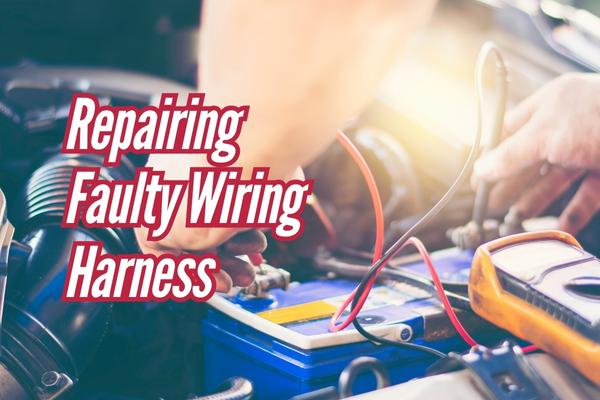
A multimeter is essential for diagnosing wiring problems. By measuring voltage, resistance, and continuity, you can pinpoint faulty connections and breaks in the circuit. Begin by checking for power at the affected component, then trace the circuit back to the harness to find any inconsistencies.
How to Repair a Faulty Wiring Harness
Step 1: Inspect and Isolate the Damaged Section
Before starting any repairs, disconnect the battery or power source to prevent electrical shock. Carefully examine the entire wiring harness, looking for frayed, burnt, or broken wires. If insulation damage is minor, simple repairs like electrical tape or heat shrink tubing may be enough. However, for severe breaks or melted wires, replacement is necessary.
Use a wire tracer tool or a continuity test on a multimeter to confirm broken connections. If a wire shows no continuity, it means there is a break in the line, and the affected section must be repaired.
Step 2: Cutting and Stripping Damaged Wires
Once the faulty section is identified, cut out the damaged portion using wire cutters. Strip about ½ inch (1.2 cm) of insulation from both ends of the remaining good wire. Avoid stripping too much insulation, as this can expose too much conductor, leading to potential short circuits.
Step 3: Soldering vs. Crimping – Choosing the Right Method
There are two main ways to reconnect the wiring:
- Soldering – Provides a strong, permanent bond. Twist the wire ends together, apply solder flux, and use a soldering iron to melt solder onto the joint. Cover with heat shrink tubing for protection.
- Crimping – A faster, more flexible method. Use a quality crimping tool and butt connectors to join the wires. Ensure the crimp is tight to prevent loose connections.
Soldering is ideal for high-vibration environments (like automotive applications), while crimping is faster and more suitable for quick fixes.
Step 4: Securing and Protecting the Repair
After reconnecting the wires, insulate the repair properly. Use heat shrink tubing, electrical tape, or protective wire loom to prevent future damage. Reassemble the wiring harness, ensuring no exposed wires remain. Secure loose sections with zip ties or harness tape to prevent movement and reduce strain on the repaired area.
Step 5: Testing and Finalizing the Repair
Before reinstalling the wiring harness, test the repaired section with a multimeter to confirm continuity and correct voltage. Reconnect the battery or power source and check if the previously faulty component is functioning properly. If everything works, secure the harness in its original position and ensure all connections are firm.
Case Study: Fixing a Wiring Harness in a Car’s Headlight Circuit
Scenario: Sarah’s car headlights began flickering, and eventually, the right headlight stopped working altogether. She suspected a wiring issue and decided to troubleshoot it herself.
Troubleshooting Steps: After inspecting the harness near the headlight, she found a section of wire insulation had worn away due to friction against a metal bracket. Using a multimeter, she confirmed a break in continuity. She cut out the damaged wire section, used butt connectors to crimp a replacement wire, and covered it with heat shrink tubing. Once she secured the wiring with zip ties, the headlight worked flawlessly again.
Lesson: By identifying the damaged section and using simple repair techniques, Sarah avoided an expensive mechanic visit and restored her vehicle’s lighting system efficiently.
Conclusion
Repairing a faulty wiring harness requires patience, precision, and the right tools, but it’s an essential skill for diagnosing electrical problems. Whether dealing with a car, appliance, or industrial equipment, identifying damaged wires, making proper connections, and insulating repairs correctly will ensure long-term reliability.
If you suspect a wiring harness issue, take action before it leads to more serious failures. Regular inspection, careful repairs, and preventive maintenance can save you from costly repairs down the road.
🔧 Check your wiring harness for wear, carry basic repair tools, and learn to identify electrical faults early. For more repair tips, explore our related articles! 🚗⚡
FAQs
1. Can I repair a wiring harness myself, or should I hire a professional?
If the damage is minor (like a single broken wire), a DIY repair is possible with basic tools. However, for complex harnesses with multiple damaged connections, professional repair is recommended to avoid further issues.
2. What’s the best way to prevent wiring harness failures?
Regular inspection, proper routing, and securing of wires with protective coverings can prevent wear and tear. Avoid overloading circuits and keep wiring away from heat sources or sharp edges.
3. Is electrical tape a reliable fix for damaged wiring?
Electrical tape is a temporary fix but not ideal for long-term repairs. Heat shrink tubing and proper connectors provide a more durable and reliable solution.
4. What tools do I need to repair a wiring harness?
Basic tools include a multimeter, wire cutters, a soldering iron (or crimping tool), heat shrink tubing, electrical tape, and zip ties. A wire tracer tool can also help locate hidden breaks.
5. Can a faulty wiring harness drain a car battery?
Yes, if wires are shorted or there’s a parasitic draw, it can cause battery drain even when the car is off. A multimeter test can help diagnose such issues.