

Testing electric circuits is essential for diagnosing electrical issues, ensuring safety, and verifying the functionality of wiring and components. Whether troubleshooting a faulty outlet, checking vehicle wiring, or ensuring continuity in an appliance, knowing how to test circuits properly can save time and prevent potential hazards.
This guide will walk you through the process of testing electric circuits using the right tools and techniques. By the end, you’ll be able to diagnose common electrical problems and ensure the safe operation of any circuit.
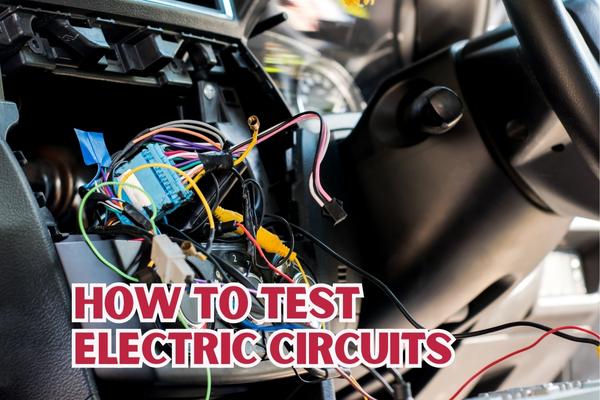
Understanding Electric Circuits and Common Issues
An electric circuit is a closed path that allows current to flow from a power source through conductors and components. When a circuit is interrupted or components fail, it can cause power loss, electrical malfunctions, or safety hazards.
- Common Electrical Circuit Problems
Electrical circuits can develop faults due to several reasons:
- Open Circuits: A break in the wiring or a loose connection prevents electricity from flowing.
- Short Circuits: An unintended connection between wires causes excessive current flow, potentially damaging components.
- Overloaded Circuits: Too many devices on a circuit can draw excessive current, causing overheating or breaker trips.
- Faulty Grounding: Improper grounding can lead to electrical shocks or interference in sensitive electronics.
Understanding these common issues helps identify what to test when troubleshooting a circuit.
- Essential Tools for Testing Circuits
To test an electric circuit, you’ll need a digital multimeter (DMM) for measuring voltage, resistance, and continuity. A circuit tester helps check for live power, while a clamp meter measures current flow in a wire. Insulated screwdrivers and safety gloves add extra protection when handling electrical components.
Step-by-Step Guide to Testing Electric Circuits
Step 1: Ensuring Safety First
Before testing, turn off the power to the circuit when handling exposed wiring. Insulated tools prevent accidental shocks, while safety gloves and goggles add protection. If working in damp areas, ensure circuits are dry to avoid electrocution risks.
Step 2: Checking for Power with a Multimeter
To verify if a circuit is receiving power, set your multimeter to AC or DC voltage mode, depending on the circuit type. Insert the black probe into the neutral or ground connection and the red probe into the live wire or terminal. Household circuits typically read 120V or 240V AC, while a 12V battery system should show around 12.6V when off and 13.8V to 14.5V when running. If the voltage is lower than expected, weak connections or a failing power source may be the cause.
Step 3: Testing Circuit Continuity
Continuity testing checks if electricity can flow without interruption. Set the multimeter to continuity mode and disconnect power before testing. Placing the probes at both ends of the wire will indicate if the circuit is complete. A beeping sound confirms continuity, while no response suggests a break in the wire.
Step 4: Detecting Short Circuits
A short circuit occurs when current bypasses its intended path, leading to overheating or failure. To detect a short, turn off the power and set the multimeter to resistance mode. Place the probes across two points in the circuit. A very low resistance reading (close to zero) suggests a short circuit that needs further inspection.
Step 5: Measuring Current Flow with a Clamp Meter
A clamp meter measures current without disconnecting wires. Set the device to AC or DC current mode and clamp it around a single wire. The meter displays the current flow, helping identify overloaded circuits or failing components.
Step 6: Verifying Proper Grounding
To check grounding, set the multimeter to AC voltage mode. Placing the black probe on the ground connection and the red probe on a live wire should give a reading close to the circuit voltage. If the reading is significantly lower, the grounding may be weak or missing.
Case Study: Diagnosing a Faulty Power Window in a Vehicle
Miguel noticed his driver’s side power window wouldn’t respond, while others worked normally. Using a multimeter set to DC volts, he first tested the window switch connector and measured 12 volts when activated.
He then accessed the door panel and tested the voltage at the window motor, finding no power reaching it despite the switch working. Inspecting further, he discovered a broken wire in the door jamb harness where repeated opening and closing had caused wear.
After repairing the broken connection with proper automotive wire and heat-shrink tubing, the window operated perfectly. By methodically testing the circuit components, Miguel avoided an expensive trip to the dealership and fixed the issue himself.
Conclusion ⚡🔧
Testing electric circuits is a valuable skill for diagnosing electrical issues in vehicles. By using tools like multimeters and circuit testers, you can check for voltage, continuity, and grounding problems efficiently.
Following proper safety procedures and a systematic approach ensures accurate troubleshooting and helps prevent electrical hazards.
Looking for more electrical troubleshooting tips? 🚘⚙️ Explore our other guides, like ‘Repairing Heated Seat Connections and ‘Fixing Dim Interior Lights’ to enhance your skills and maintain safe electrical systems!
FAQs About Testing Electric Circuits
1. How do I test an electric circuit for faults?
Use a multimeter to check for voltage, continuity, and resistance. Inspect wires for damage and look for loose connections that may cause power loss.
2. What does an open circuit mean?
An open circuit occurs when the electrical path is interrupted, stopping the flow of current. This can result from a disconnected wire, a blown fuse, or a malfunctioning switch.
3. How can I tell if a wire is live?
Use a circuit tester or multimeter set to voltage mode. Touch one probe to the wire and the other to a neutral or ground point—if voltage is detected, the wire is live.
4. Can a bad circuit breaker cause power loss?
Yes, a faulty breaker can prevent electricity from reaching a circuit. If a breaker frequently trips or fails to reset, it may need to be replaced.
5. Is it safe to test a circuit while the power is on?
Testing live circuits should only be done with proper safety precautions. Always use insulated tools and avoid contact with exposed wires.