

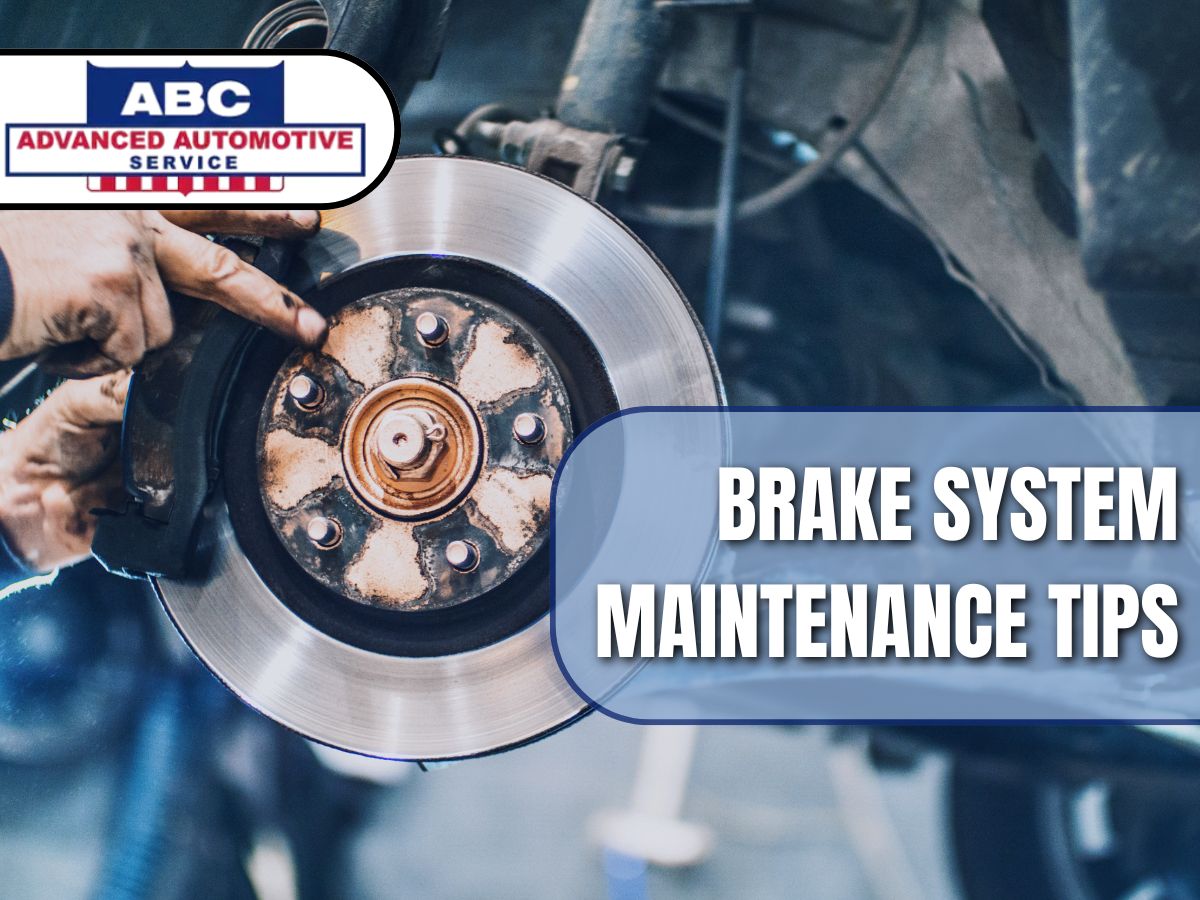
Your vehicle’s brakes are crucial for your safety, providing the quick and dependable stopping power needed to navigate all driving situations with confidence. Neglecting brake maintenance can lead to longer stopping distances, costly repairs, and even accidents. Many drivers don’t notice brake problems until it’s too late, but regular inspections and maintenance can prevent failures. This guide provides key brake system maintenance tips to help you keep your brakes in excellent condition, ensuring safe and smooth driving every time you hit the road.
Warning Signs Your Brakes Need Attention
Squeaking or Grinding Noises
Worn out brake pads cause metal-on-metal contact, leading to grinding sounds when braking. Ignoring this noise can result in expensive rotor damage.
Vibrations or Pulsations
Warped rotors can cause the brake pedal to vibrate or pulse under your foot. This may also indicate uneven brake pad wear or improper rotor installation.
Spongy or Soft Brake Pedal
If your brake pedal feels unusually spongy or soft when you press down, it could be a sign that air has entered the brake lines or that the master cylinder is starting to fail. This issue can weaken your braking power, making it harder to stop your vehicle quickly and safely. Ignoring it could put you at risk, especially in emergency situations, so it’s important to diagnose and fix the problem as soon as possible. This reduces braking efficiency and increases stopping distances.
Longer Stopping Distances
If your car takes longer to stop, it could mean your brake pads are too thin or your brake fluid is low. Worn-out brakes can compromise safety, especially in emergency stops.
Brake Warning Light
Modern vehicles have a dashboard brake warning light that signals issues with the braking system. This could indicate low level of brake fluid, worn out brake pads, or a sensor malfunction.
How to Inspect Your Brakes at Home
- Check Brake Pad Thickness: Look through the wheel spokes to see your brake pads. If they appear thinner than ¼ inch (6.4 mm), they need replacement to avoid rotor damage.
- Listen for Unusual Noises: Squealing or grinding noises mean it’s time to replace the brake pads or check for rotor damage. A high-pitched squeal often signals a built-in wear indicator alerting you to replace pads.
- Test Brake Pedal Feel: Press the brake pedal while parked. If it feels too soft or too hard, it may indicate a hydraulic system issue, such as air in the lines or a failing master cylinder.
- Look for Brake Fluid Leaks: Puddles near the wheels or under the car could indicate a brake fluid leak. A leak not only compromises the efficiency of your brakes but can also lead to low fluid levels, resulting in brake fade and a decrease in stopping power.
- Inspect the Rotors: If you feel vibrations while braking, inspect your rotors for uneven wear or warping. Deep grooves or cracks in the rotors mean they need resurfacing or replacement
Regular brake inspections every 6,000 to 10,000 miles or whenever you notice changes in performance can help ensure your braking system remains reliable.
Let’s look at the following example. A driver ignores their brake fluid warning light for weeks. Eventually, the brakes feel spongy, and the stopping distance increases. The issue? Moisture contamination in the brake fluid, causing it to lose effectiveness. This could have been prevented with routine fluid checks and timely replacements.
Essential Brake Maintenance Practices
Keeping your brakes in top condition requires routine maintenance and timely replacements. Follow these essential tips to extend the life of your braking system and maintain safety.
Replace Brake Pads Before They Wear Out Completely
Brake pads wear down over time, and waiting too long to replace them can damage the rotors, increasing repair costs. Most brake pads last 30,000 to 70,000 miles, but this varies depending on driving habits and road conditions. If your brake pads are less than ¼ inch thick, replace them to avoid rotor damage.
Keep Brake Fluid Clean and at the Right Level
Brake fluid is hygroscopic, meaning it absorbs moisture over time, reducing its effectiveness. Contaminated brake fluid can cause soft brakes, corrosion, and decreased stopping power. Manufacturers recommend replacing brake fluid every 2 to 3 years or as specified in your owner’s manual. To check brake fluid:
- Locate the brake fluid reservoir under the hood.
- Ensure the fluid is at the recommended level and appears clear or light amber.
- If the fluid is dark or contaminated, replace it immediately.
Avoid Hard Braking When Possible
Frequent hard braking generates excess heat, causing faster wear on brake pads and rotors. To extend brake life:
- Maintain a safe following distance to reduce sudden braking.
- Use engine braking when driving downhill instead of relying solely on brakes.
- Avoid riding the brakes; instead, apply firm, controlled pressure when stopping.
Get Your Brakes Professionally Inspected
While DIY maintenance is useful, a professional brake inspection every 12,000 miles ensures your system is in peak condition. Mechanics check components like:
- Brake pad thickness and wear patterns.
- Rotor condition and signs of warping.
- Brake line integrity to detect leaks or corrosion.
Conclusion
Proper brake maintenance ensures safety, extends brake life, and prevents costly repairs. By regularly inspecting your brakes, replacing worn-out pads, maintaining clean brake fluid, and avoiding harsh braking, you can keep your braking system reliable and effective. If you notice warning signs like squealing noises, soft brake pedals, or longer stopping distances, address them immediately.
For more expert car care tips, explore related guides on checking suspension problems, maintaining tires, and troubleshooting vehicle noises to keep your vehicle running safely.
FAQs
1. When is the right time to replace my brake pads?
Brake pads usually need replacing after 30,000 to 70,000 miles, but this can vary based on your driving style and the roads you travel. If your brake pads are worn down to less than a ¼ inch, it’s time to replace them to prevent damaging the rotors.
2. What causes a spongy or soft brake pedal?
A soft or spongy brake pedal is often the result of air trapped in the brake lines, old or contaminated brake fluid, or a malfunctioning master cylinder. To fix this issue, the brake system may need to be bled to remove air, or the fluid might need to be replaced to restore the proper pedal feel and ensure safe braking performance.
3. Why do my brakes squeak or make a grinding noise?
Squeaking brakes are usually caused by worn-out brake pads or moisture buildup. Grinding noises indicate that the brake pads are completely worn, causing metal-to-metal contact with the rotors.
4. How do I know if my brake fluid needs to be changed?
Check the brake fluid reservoir under the hood. If the fluid is dark brown or black, it’s contaminated and needs to be replaced. Brake fluid should be changed every 2 to 3 years for optimal performance.
5. What happens if I ignore worn-out brake pads?
Driving with worn brake pads can cause rotor damage, decreased braking efficiency, and expensive repairs. In extreme cases, it can lead to complete brake failure, making driving unsafe.
Explore More Car Maintenance Guides
Stay ahead of brake problems and vehicle issues with expert advice! Discover more guides on troubleshooting worn brake pads, maintaining tires, and diagnosing suspension problems to keep your car in top shape. 🚗🔧