

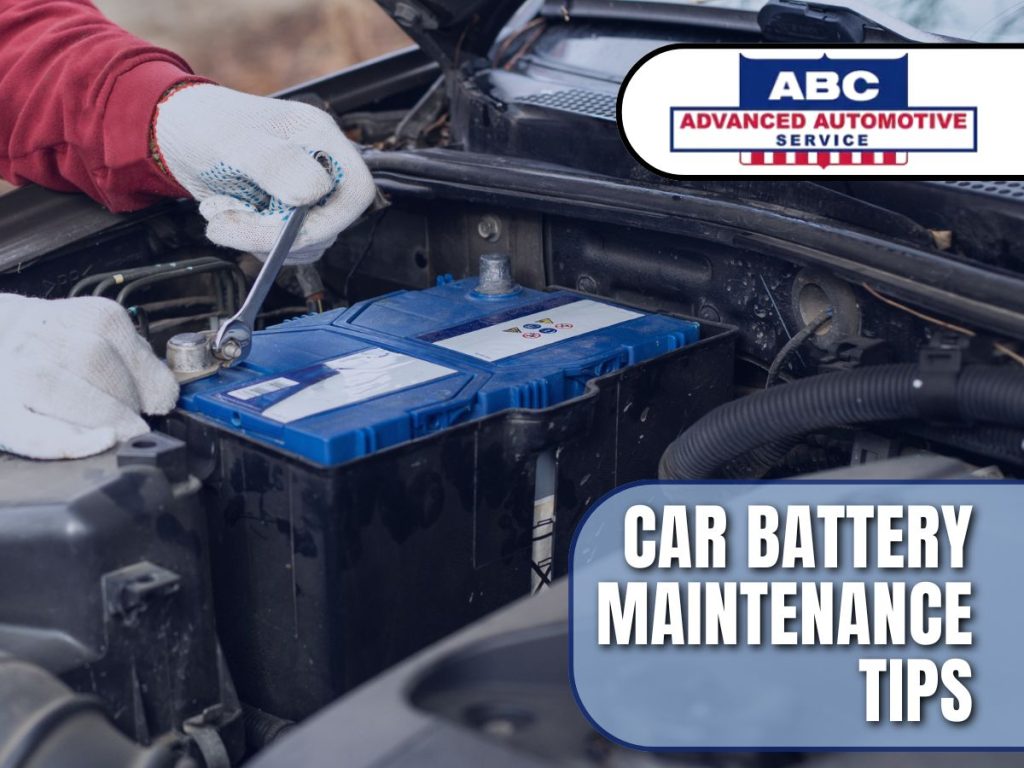
Why Car Battery Maintenance Matters
A dead battery is one of the most common reasons for car breakdowns, often happening at the worst possible time. Many drivers assume their battery will last indefinitely, only to be stranded when it suddenly fails. Proper car battery maintenance prevents unexpected failures, extends battery life, and ensures reliable vehicle performance. This guide provides essential tips on keeping your battery in optimal condition, helping you avoid costly replacements and inconvenient breakdowns.
Keep the Battery Clean
Corrosion on the battery terminals creates resistance and reduces power flow. Cleaning the terminals with a baking soda and water solution prevents buildup, ensuring a strong electrical connection. Applying petroleum jelly or anti-corrosion grease helps protect against future corrosion.
Ensure the Battery is Securely Mounted
Vibrations from driving can loosen battery connections or damage internal components. Regularly checking the battery brackets and tightening loose bolts prevents strain on the battery, reducing the risk of failure.
Drive Regularly to Maintain Charge
Batteries lose charge over time, especially in cold weather or when left unused for long periods. Driving for at least 15–30 minutes weekly keeps the battery charged. If the car remains parked for extended periods, using a trickle charger prevents complete.
Monitor Battery Electrolyte Levels
Traditional lead-acid batteries require periodic fluid level checks. Low electrolyte levels cause overheating and reduce battery life. Topping up with distilled water when needed prevents damage, but most modern batteries are sealed and maintenance-free.
Protect the Battery from Extreme Temperatures
High heat accelerates wear, while extreme cold reduces power output. Parking in a garage or shaded area during summer and using an engine block heater in winter protects battery performance.
Here’s an example of a driver who left their car unused for weeks and experienced a slow start. A mechanic found the battery had lost its charge, but using a battery maintainer solved the issue and prevented unnecessary drain.
Warning Signs and When to Replace Your Car Battery
Recognizing the early warning signs of a failing battery can save you from being stranded. Batteries don’t always fail suddenly; they often show symptoms before completely dying. Identifying these signs early allows drivers to replace the battery before experiencing a breakdown.
Slow Engine Crank
If the engine takes longer than usual to start, especially on cold mornings, the battery may not be holding a full charge. Ignoring this warning increases the risk of total failure. In colder temperatures, weakened batteries struggle even more, often leaving drivers stranded in the worst conditions.
Dimming Headlights and Electrical Issues
A weak battery struggles to power the vehicle’s electronics, causing headlights, dashboard lights, or power windows to work at reduced strength. Flickering lights may signal battery trouble. If multiple electrical components begin failing at once, it’s a strong indication that the battery is no longer providing consistent power.
Check Engine or Battery Warning Light
A dashboard warning light often indicates battery-related problems. Many auto parts stores offer free battery testing, helping drivers determine if replacement is needed. A failing battery can also put extra strain on the alternator, leading to additional electrical system problems if not addressed promptly.
Swelling or Damage to the Battery Case
Exposure to extreme temperatures can cause the battery case to expand or crack. A bloated or leaking battery requires immediate replacement. Chemical reactions inside the battery accelerate in high heat, leading to deformation, while freezing temperatures can cause internal components to break down.
Frequent Jump-Starts
If a car needs multiple jump-starts in a short period, the battery likely can’t hold a charge. Replacing it before complete failure prevents getting stranded unexpectedly. Consistently relying on jump-starts also increases wear on the alternator and starter, potentially leading to more costly repairs.
Battery Age and Lifespan
Most car batteries last 3-5 years, but climate, driving habits, and electrical demands affect longevity. Checking the manufacture date helps determine when replacement is necessary. A well-maintained battery can last longer, but after three years, regular testing is essential to ensure continued reliability.
Here’s an actual instance of a driver who ignored a slow-cranking engine and flickering headlights until the battery failed in a parking lot. A mechanic confirmed the battery had reached the end of its lifespan. Had they replaced it earlier, they could have avoided an inconvenient and costly tow service.
Conclusion
Proper car battery maintenance ensures reliable vehicle performance, prevents sudden breakdowns, and saves money on premature replacements. Keeping the battery clean, secure, and charged, along with monitoring warning signs, extends battery life and improves overall vehicle reliability. Regularly testing and replacing an aging battery before it fails prevents unexpected issues. Don’t wait for a dead battery to leave you stranded—start maintaining your car battery today and enjoy worry-free driving.
Frequently Asked Questions
- How often should I check my car battery?
Checking the battery at least once every three months helps identify early signs of corrosion, low charge, or wear. Regular maintenance extends battery life. - What shortens car battery lifespan?
Extreme temperatures, infrequent driving, excessive electrical use, and loose connections shorten battery lifespan. Keeping the battery secure and charged prevents premature failure. - How do I know when my car battery needs replacement?
Signs like slow engine cranking, dimming lights, and frequent jump-starts indicate battery failure. Most batteries last three to five years before needing replacement. - Can I recharge a dead car battery?
Yes, a dead battery can be recharged using a battery charger, but if it fails to hold a charge afterward, replacement is necessary. - Should I disconnect my car battery when not using the car for a long time?
If leaving a car unused for weeks, disconnecting the battery or using a trickle charger prevents excessive discharge and extends battery life.