

An oil filter plays a vital role in keeping your engine healthy by trapping dirt, debris, and metal particles from circulating in the oil. Choosing the wrong oil filter can lead to clogging, oil starvation, and premature engine wear. In Billings, MT, many car owners assume all oil filters are the same, but this isn’t true—different engines require specific filters to function properly.
Using an improper filter can result in reduced oil flow, increased engine friction, and overheating. In this guide, we’ll explore how to choose the right oil filter, what factors to
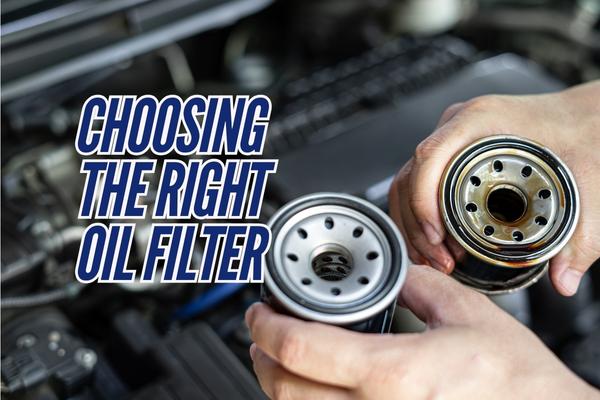
Why the Right Oil Filter Matters
The oil filter’s primary job is to remove contaminants from the oil before it circulates through the engine. If dirt and debris are not filtered out, they can cause increased wear on engine components, leading to sludge buildup, reduced lubrication, and costly repairs.
1. How an Oil Filter Works
Every time your engine runs, motor oil is circulated to lubricate moving parts. The oil filter plays a crucial role by:
- Allowing oil to flow in through small inlet holes.
- Trapping dirt, carbon, and metal shavings using a filtering media.
- Releasing clean oil through the central outlet to continue lubricating the engine.
Without an efficient oil filter, contaminants remain in the oil, accelerating engine wear, oil thickening, and potential blockages.
2. The Risks of Using the Wrong Oil Filter
Using an incorrect oil filter may result in:
- Poor Oil Filtration: A low-quality filter may not effectively trap contaminants, allowing them to circulate and cause excessive engine wear.
- Oil Leaks and Pressure Issues: If the filter doesn’t fit correctly, it can cause oil leaks, leading to low oil levels, overheating, and potential engine failure.
- Premature Filter Failure: Low-cost filters tend to clog quickly, restricting oil flow and potentially causing oil starvation, which can damage critical engine parts.
For long-term engine health and performance, choosing the correct oil filter is just as important as selecting the right engine oil.
How to Choose the Right Oil Filter
When selecting an oil filter, several factors should be considered, including size, filtration efficiency, and compatibility with your car.
1. Consider Your Vehicle’s Specifications
Your vehicle’s manufacturer provides specific guidelines on the correct oil filter type.
Check Your Owner’s Manual
Your owner’s manual specifies the correct oil filter size, type, and compatibility. Choosing a filter outside these recommendations can lead to improper fitment or poor filtration efficiency.
Match the Filter to Your Engine Oil
- Synthetic Oil: Requires a high-efficiency synthetic filter that can handle longer oil change intervals.
- Conventional Oil: Works well with standard cellulose filters but may need more frequent replacements.
Using a low-quality filter with synthetic oil can result in early clogging and reduced filtration efficiency, defeating the benefits of high-performance oil.
2. Understanding Oil Filter Ratings and Features
Not all oil filters are the same—different brands and models offer varying levels of filtration efficiency, durability, and performance.
Micron Rating – Filtration Efficiency
The micron rating refers to the smallest particle size the filter can trap. Lower micron ratings indicate better filtration.
- 10–20 Microns – High-efficiency filters that capture smaller debris.
- 25+ Microns – Standard filters that trap larger contaminants.
For performance or high-mileage cars, a 10-micron filter provides superior protection against wear and tear.
Anti-Drain Back Valve
Certain oil filters come equipped with an anti-drain back valve, designed to stop oil from flowing out of the filter when the engine is turned off. This function is especially important for:
- Cars parked overnight in cold climates.
- Vehicles with longer oil change intervals.
Without this valve, oil can drain back into the engine, causing dry starts and increased wear on engine components.
Build Quality and Filter Media
Oil filters use different filtering materials, affecting their longevity and performance:
- Cellulose Media: Standard material in budget filters; works well but clogs faster.
- Synthetic Media: More durable and captures finer particles, making it ideal for synthetic oil users.
- Blended Media: A mix of cellulose and synthetic materials for enhanced filtration and extended service life.
High-quality filters with synthetic media offer better filtration, durability, and long-term protection.
Common Types of Oil Filters
Different engines require different types of oil filters. Here’s a breakdown of the most common options:
1. Standard Spin-On Filters
- The most common type, featuring a metal casing with a built-in filter element.
- Easy to replace, simply unscrew and install a new one.
2. Cartridge (Eco) Filters
- Found in modern vehicles and European cars.
- Only the internal filter element is replaced, reducing environmental waste.
3. High-Performance Filters
- Designed for sports cars and performance vehicles.
- Use synthetic media for superior filtration and longer life.
Choosing the correct filter type ensures optimal performance and engine protection.
Case Study: The Impact of Choosing the Right Oil Filter
In Billings, MT, Mike, a car owner with a 2012 Toyota Camry, previously used cheap aftermarket oil filters to save money. Over time, he noticed reduced fuel efficiency, increased engine noise, and occasional oil leaks. After switching to a high-efficiency synthetic oil filter, he:
- Experienced smoother engine performance.
- Noticed better oil pressure stability.
- Increased the lifespan of his oil changes without issues.
This case highlights the importance of investing in a high-quality oil filter for better long-term engine protection.
Conclusion
Choosing the right oil filter in Billings, MT, is essential for protecting your engine from harmful contaminants. By selecting a filter that matches your vehicle’s specifications, oil type, and driving conditions, you can improve oil circulation, prevent sludge buildup, and extend engine life.
A high-quality filter may cost slightly more upfront, but it saves you money in the long run by reducing the risk of engine wear and costly repairs.
🚗 🔧Want more expert car maintenance tips? Check out our latest guides on selecting the best automotive products for your vehicle!
FAQs
1. How often should I replace my oil filter?
Most oil filters should be replaced at every oil change, typically every 5,000–10,000 miles, depending on the oil type.
2. Can I use any oil filter that fits my engine?
No, filters vary in filtration efficiency, pressure ratings, and compatibility. Always choose a filter recommended for your vehicle.
3. What happens if I use the wrong oil filter?
Using the wrong filter can lead to oil leaks, poor filtration, reduced oil pressure, and potential engine damage.
4. Are high-performance oil filters worth the cost?
Yes, they offer better filtration, durability, and longer service life, making them ideal for synthetic oil and high-mileage vehicles.
5. Can I clean and reuse an oil filter?
Most standard oil filters are disposable and should not be reused. However, some performance vehicles use reusable, high-performance oil filters that require periodic cleaning.