

A failing alternator can cause dim headlights, a dead battery, and electrical malfunctions. Many drivers wonder whether their alternator needs replacement, how much it costs, and whether they can fix it themselves. Since the alternator powers essential components, ignoring its failure can lead to a breakdown.
This guide answers the most common alternator replacement questions, helping you diagnose issues, understand repair options, and decide whether to replace it yourself or seek professional help. By the end, you’ll know exactly how to handle an alternator problem efficiently.
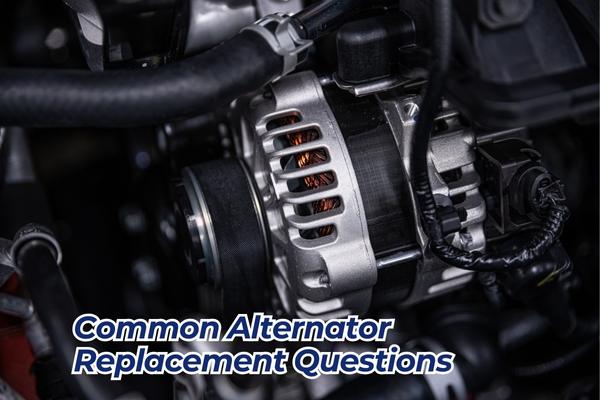
Signs You Need an Alternator Replacement
Your vehicle’s alternator is responsible for charging the battery and powering electrical components. When it fails, your car’s performance suffers. Knowing the warning signs can help prevent unexpected breakdowns.
- Dimming or Flickering Lights
Dim or flickering headlights and dashboard lights are often the first signs of a failing alternator. Since the alternator supplies power, weak or inconsistent lighting often means it’s struggling to function. If the lights brighten when accelerating and dim at idle, your alternator may not be providing enough voltage.
- Battery Warning Light on Dashboard
Most modern vehicles have a battery warning light that illuminates when the charging system is faulty. While this light may indicate a weak battery, it often signals alternator trouble. If the light turns on while driving, your vehicle could be running solely on battery power, which won’t last long.
- Frequent Battery Issues
If your battery constantly dies or requires frequent jump-starts, the alternator may not be charging it properly. While a bad battery can also cause this issue, replacing the battery won’t help if the alternator isn’t functioning.
- Strange Noises
A faulty alternator can create grinding, whining, or high-pitched squealing sounds.These sounds often come from worn-out bearings or a loose serpentine belt. If left unaddressed, the alternator can seize, causing further damage.
- Electrical Failures
Since the alternator powers electrical components, you may notice issues with power windows, radio malfunctions, or erratic dashboard behavior. If multiple electrical systems fail simultaneously, the alternator is likely the cause.
- Difficulty Starting or Stalling Engine
An underperforming alternator won’t supply enough power to keep the engine running. If your car stalls unexpectedly or struggles to start, the alternator may not be charging the battery properly.
Understanding Alternator Replacement
Once you’ve identified a failing alternator, the next step is understanding replacement options, costs, and whether a DIY fix is possible.
- Can You Drive with a Bad Alternator?
Driving with a failing alternator is risky. Your car may continue running for a short time, but once the battery drains, the engine will shut off. This could leave you stranded on the road, making immediate repair essential.
- How Much Does It Cost to Replace an Alternator?
Alternator replacement costs vary based on vehicle make and model. A new alternator typically costs between $200 and $600, while labor charges can add $100 to $200. In total, expect to pay between $300 and $800 at a repair shop.
For those comfortable with DIY repairs, buying an alternator and replacing it yourself can save labor costs. However, it requires mechanical knowledge and the right tools.
- What Is the Lifespan of an Alternator?
Most alternators last between 80,000 and 150,000 miles or 7 to 10 years, depending on driving conditions and maintenance. Factors such as extreme temperatures, frequent short trips, and electrical overloads can shorten its lifespan.
- Should You Repair or Replace an Alternator?
In some cases, an alternator can be rebuilt instead of replaced. A rebuilt alternator may cost between $100 and $300, but its lifespan may not match that of a brand-new unit. If the alternator is severely worn out, replacing it is the best option.
- Can You Replace an Alternator Yourself?
Replacing an alternator is possible for those with basic mechanical skills. The process involves:
- Disconnecting the battery to avoid electrical shock.
- Removing the serpentine belt to access the alternator.
- Unbolting and disconnecting the alternator wiring.
- Installing the new alternator and reconnecting everything properly.
The process typically takes one to two hours. However, if you’re unsure about handling electrical components, professional installation is recommended.
Case Study: Replacing an Alternator on a Sedan
Mark’s 2015 Toyota Camry started experiencing dim headlights and a weak battery. After testing, he confirmed the alternator was failing. Instead of paying $500 at a repair shop, he bought a replacement alternator for $220 and replaced it himself in his garage. The entire job took 90 minutes, and his car started running perfectly again. By doing the repair himself, Mark saved over $250 in labor costs.
Conclusion
A failing alternator can cause serious issues, from dim headlights to a complete vehicle shutdown. Recognizing the signs early and replacing the alternator when necessary ensures your car remains reliable. Whether you choose to replace it yourself or visit a mechanic, addressing alternator issues promptly can prevent costly repairs and breakdowns.
Looking for more car maintenance tips? Explore our other guides, like ‘Repairing Non-Working Taillights,’ to keep your vehicle running smoothly!
FAQs About Alternator Replacement
1. What causes an alternator to fail?
Wear and tear over time is the primary cause of alternator failure. Other factors include overheating, exposure to moisture, and excessive power demands from aftermarket accessories like high-power audio systems.
2. Can a bad alternator drain my battery?
Yes, a failing alternator won’t recharge the battery properly, leading to repeated battery drain. If the alternator produces inconsistent voltage, it can also shorten the battery’s lifespan.
3. How can I test my alternator at home?
Using a multimeter, set it to DC voltage and check the battery while the car is running. A healthy alternator should produce 13.5 to 14.8 volts. If the reading is below 13 volts, the alternator is likely failing.
4. How long can I drive with a failing alternator?
Your vehicle may run for 30 minutes to an hour with a bad alternator, depending on battery charge and electrical load. However, continuing to drive can leave you stranded when the battery depletes.
5. Can a jump-start fix an alternator problem?
No, a jump-start can temporarily power the battery, but if the alternator isn’t charging it, the car will soon lose power again. A replacement or repair is necessary.