

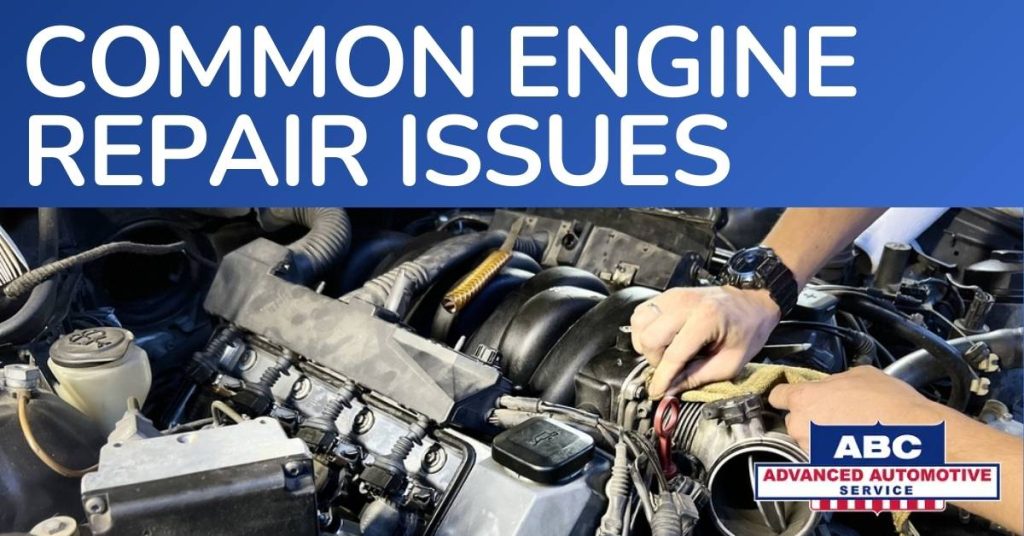
Your engine powers your vehicle, but over time, wear, neglect, or faulty parts can cause issues. These problems can lead to poor performance, low fuel
efficiency, or breakdowns. Early detection and timely repairs help prevent costly damage. This guide covers common engine issues, their causes, symptoms, and solutions to keep your car running smoothly.
Engine Misfires and Power Loss
Engine misfires happen when one or more cylinders fail to ignite properly, causing rough idling, sluggish acceleration, and higher fuel consumption. Worn-out spark plugs, coated with carbon deposits, often fail to generate a strong spark, leading to misfires. Faulty fuel injectors can also disrupt the air-fuel ratio, resulting in poor combustion and power loss. Drivers may notice hesitation while accelerating or sudden drops in performance. Replacing old spark plugs and using a fuel injector cleaner can resolve minor issues, while severely clogged injectors may need professional cleaning or replacement. Regular maintenance and high-quality fuel help prevent misfires, ensuring a smoother and more efficient engine performance.
Overheating and Cooling System Failures
An overheating engine is a serious issue that can cause warped cylinder heads, blown head gaskets, or complete engine failure. It is often triggered by low coolant levels, a faulty thermostat, or a failing water pump. Coolant leaks from the radiator or hoses prevent proper temperature regulation, leading to dangerous heat buildup. A stuck thermostat can also trap heat inside the engine, while a failing water pump stops coolant from circulating effectively.
Picture yourself driving on a scorching day when thick white steam starts billowing from your hood, and your temperature gauge spikes into the red zone.This signals overheating, requiring you to pull over immediately, turn off the engine, and let it cool. Checking and refilling coolant may provide a temporary solution, but addressing leaks or replacing a malfunctioning thermostat or water pump is crucial. Ignoring overheating can lead to a cracked engine block, one of the costliest repairs. To avoid long-term damage, regular cooling system maintenance is essential to keep your engine running efficiently.
Rough Idling and Stalling
If your engine shakes, vibrates, or stalls while idling, it could indicate a problem. Clogged fuel injectors may prevent a steady fuel supply, causing rough idling. A failing mass airflow (MAF) sensor can also disrupt the air-fuel mixture, leading to erratic performance. Additionally, a faulty idle air control valve may struggle to regulate airflow, causing stalling. Cleaning the fuel injectors, throttle body, and sensors often resolves these issues, but damaged components may require replacement. Regular maintenance helps prevent these problems and ensures a smooth idle, keeping your engine running efficiently and avoiding unexpected breakdowns.
Oil Leaks and Low Oil Pressure
Oil is vital for lubricating engine parts and preventing excessive heat and friction. However, leaks can develop due to worn gaskets, seals, or a damaged oil pan, leading to gradual oil loss. If ignored, low oil levels can cause severe engine damage, including premature wear on pistons and camshafts. A faulty valve cover gasket or improperly installed oil filter are common causes of leaks, often leaving puddles under the vehicle or producing a burning smell. Low oil pressure, often caused by a failing oil pump or clogged passages, restricts circulation, increasing friction and overheating. Addressing leaks, replacing gaskets, and maintaining regular oil changes can help prevent costly engine repairs.
Timing Belt or Chain Failure
The timing belt or chain synchronizes the camshaft and crankshaft, ensuring engine valves open and close correctly. If it snaps or skips a gear, the engine may stall, lose power, or suffer severe internal damage. Since failure can happen unexpectedly, manufacturers recommend replacing it every 60,000 to 100,000 miles. Warning signs include ticking noises, rough idling, or trouble starting.
Imagine driving when your engine suddenly shuts off, and restarting fails. A snapped timing belt may have caused the pistons and valves to collide, leading to costly repairs. To avoid this, follow the manufacturer’s replacement schedule and have a mechanic inspect the belt or chain at the first sign of trouble.
Conclusion
Understanding common engine problems and their solutions can help drivers stay ahead of costly breakdowns and repairs. Issues like misfires, overheating, rough idling, oil leaks or timing belt and chain failure are often preventable with regular maintenance and timely repairs. Keeping up with oil changes, coolant checks, and spark plug replacements can extend the life of your engine and improve performance. If your vehicle is showing signs of engine trouble, diagnosing the issue early can save time and money. Explore more expert guides on vehicle diagnostics for a deeper understanding of engine care.
FAQs
- What should I do if my engine starts overheating?
If your engine overheats, the first thing to do is to pull over immediately, and then turn off the engine, and let it cool down before checking coolant levels. If the problem persists, have the cooling system inspected for leaks or a failing thermostat. - How often should spark plugs be replaced?
Most spark plugs should be replaced every 30,000 to 100,000 miles, depending on the type and manufacturer recommendations. Failing to replace worn spark plugs can lead to misfires and poor fuel efficiency. - Why is my car idling roughly?
Rough idling is often caused by dirty fuel injectors, a failing mass airflow sensor, or an idle air control valve issue. Cleaning or replacing these components can restore smooth engine operation. - Can low oil levels damage my engine?
Yes, running your engine with low oil can cause excessive friction, overheating, and severe damage to internal components. Regular oil checks and timely oil changes prevent such issues. - What happens if a timing belt or chain breaks while driving?
- A broken timing belt or chain can cause the engine to stall immediately, and in interference engines, it may lead to piston and valve collisions, resulting in costly internal damage or a complete engine rebuild.
- What should I do if my engine suddenly shuts off while driving?
- Pull over safely, check for warning lights, and try restarting. A failing timing belt, fuel system issue, or electrical failure could be the cause. Have your car inspected immediately.