

In Billings, MT, changing your car’s oil seems simple, but many drivers and even some mechanics make costly mistakes that can lead to engine damage, reduced fuel efficiency, or premature wear. Whether you change your oil at home or take your car to a shop, knowing the most common oil change mistakes helps you maintain your vehicle properly and avoid expensive repairs.
This guide will cover two major categories of mistakes—errors related to oil selection and application and mistakes during the oil change process—to help you keep your engine running at its best.
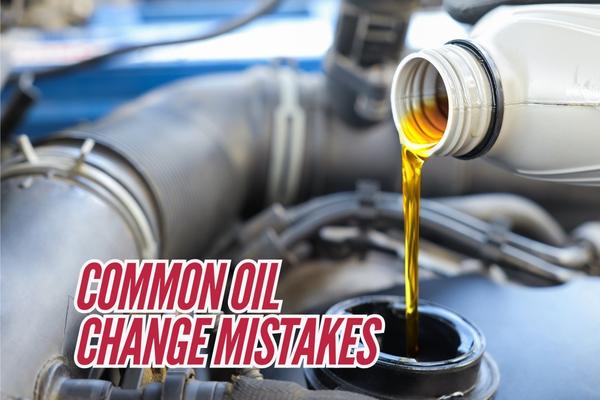
Mistakes in Choosing and Applying Oil
One of the most critical aspects of an oil change is selecting the right oil and applying it correctly. Using the wrong type or incorrect quantity of oil can lead to engine damage, reduced performance, and costly repairs.
1. Using the Wrong Type of Oil
Every vehicle has specific oil requirements, including viscosity (e.g., 5W-30, 10W-40) and whether conventional or synthetic oil is needed.
Why This Is a Problem:
- Using oil with the wrong viscosity can reduce lubrication, leading to increased friction and wear.
- Some engines require synthetic oil for optimal performance, while others may not tolerate it well.
- Incorrect oil can lead to overheating, poor fuel efficiency, and increased emissions.
How to Avoid It:
- Always check your owner’s manual for the recommended oil type.
- Use manufacturer-approved oil brands to ensure compatibility.
- Consider factors like climate and driving conditions—for example, thinner oil works better in cold weather, while thicker oil provides more protection in high temperatures.
2. Overfilling or Underfilling the Oil
Adding too much or too little oil can have serious consequences on engine performance.
Why This Is a Problem:
- Overfilling: Causes increased oil pressure, leading to leaks, blown seals, and foaming, which reduces lubrication.
- Underfilling: Reduces lubrication, increasing metal-to-metal contact and engine wear.
How to Avoid It:
- Measure oil levels accurately using the dipstick.
- Always add oil gradually and recheck levels before adding more.
- Follow the manufacturer’s recommended oil capacity listed in the owner’s manual.
3. Reusing an Old Oil Filter
Some people try to save money by skipping the oil filter replacement, but this can contaminate new oil and reduce its effectiveness.
Why This Is a Problem:
- A clogged filter reduces oil flow, leading to poor engine performance and increased wear.
- Old filters contain trapped debris and contaminants that mix with fresh oil.
How to Avoid It:
- Replace the oil filter with every oil change.
- Use a quality filter recommended for your vehicle to ensure proper filtration.
4. Ignoring High-Mileage or Synthetic Oil Needs
As vehicles age, their oil needs change. Using standard oil in a high-mileage car can increase wear and oil leaks.
Why This Is a Problem:
- High-mileage engines need special additives to maintain performance.
- Some cars are designed for synthetic oil, and using conventional oil may reduce engine efficiency.
How to Avoid It:
- If your car has over 75,000 miles, consider high-mileage oil to prevent leaks and protect seals.
- If the manufacturer specifies synthetic oil, avoid switching to conventional oil.
Mistakes During the Oil Change Process
Even if you use the right oil, mistakes during the oil change process can still cause problems. These errors can lead to oil leaks, contamination, or engine overheating.
5. Not Tightening the Drain Plug Correctly
The oil drain plug must be properly tightened to prevent leaks and ensure oil stays in the engine.
Why This Is a Problem:
- Too tight: Can strip threads, leading to oil leaks or expensive oil pan replacement.
- Too loose: Can cause oil to leak, leading to low oil levels and engine failure.
How to Avoid It:
- Follow the torque specifications in the owner’s manual.
- Use a torque wrench to ensure the drain plug is tightened correctly.
6. Forgetting to Replace the Oil Cap
Forgetting to put the oil cap back on after an oil change can cause major problems.
Why This Is a Problem:
- Oil can splash out, reducing levels and causing engine overheating.
- Dirt and debris can enter the engine, leading to contamination and wear.
How to Avoid It:
- Always double-check the oil cap before starting the engine.
- If the cap is missing, do not drive until it is replaced.
7. Changing Oil on an Uneven Surface
If your car isn’t level during an oil change, you may misread oil levels, leading to overfilling or underfilling.
Why This Is a Problem:
- A slanted car can prevent full oil drainage, mixing new oil with old contaminants.
- Incorrect measurements can affect engine lubrication.
How to Avoid It:
- Always park on a level surface before draining oil.
- If using ramps, ensure the car is securely supported.
8. Neglecting to Reset the Oil Change Light
Even after an oil change, the dashboard oil change light may stay on, causing confusion.
Why This Is a Problem:
- Ignoring it may make you forget your next oil change.
- It can hide real issues, such as low oil pressure.
How to Avoid It:
- Follow the owner’s manual instructions for resetting the oil light.
- If the light stays on despite an oil change, check for leaks or sensor issues.
Case Study: The Cost of an Oil Change Mistake
In Billings, MT, a car owner decided to skip replacing the oil filter to save money. After driving 3,000 miles, the engine developed performance issues and excessive oil consumption. A mechanic discovered that the clogged filter had restricted oil flow, causing internal engine wear.
Repair Cost: $1,500 for valve repairs and sensor replacements.
This case highlights the importance of following proper oil change procedures, as skipping small steps can lead to expensive repairs.
Conclusion
Avoiding common oil change mistakes is essential for engine longevity, fuel efficiency, and overall vehicle performance. Whether you change your oil yourself or take it to a shop, always use the right oil, check levels carefully, and follow best practices.
By staying informed and avoiding these errors, you save money, extend your car’s life, and prevent unnecessary repairs.
Take Action: Keep Your Engine Running Smoothly!
Avoiding oil change mistakes protects your engine’s performance and longevity. Whether you DIY or visit a mechanic, always use the right oil, check levels, and follow proper procedures. Want more car maintenance tips? Explore our expert guides including, Quick Oil Change vs. Dealership. 🚗💡
FAQs
1. What happens if I use the wrong oil in my car?
Using the wrong oil can reduce lubrication, cause overheating, and increase wear, potentially leading to engine damage over time.
2. How do I know if I overfilled or underfilled my oil?
Check the dipstick level—too much oil can cause foaming and leaks, while too little can increase friction and wear.
3. Can I reuse an old oil filter?
No, reusing an oil filter contaminates new oil and reduces filtration efficiency, leading to engine wear and sludge buildup.
4. How often should I change my oil?
Most cars require an oil change every 5,000 to 10,000 miles, depending on oil type and driving conditions.
5. What should I do if I forgot to replace the oil cap?
Turn off the engine immediately, clean any spilled oil, and replace the cap before driving to prevent contamination and oil loss.