

A blown electrical circuit can be frustrating, especially when it disrupts essential functions like lighting, appliances, or vehicle systems. Whether it happens in your home, car, or office, understanding how to diagnose and fix the problem can save time, money, and potential hazards. Many assume a power failure means a major issue, but often, it’s simply a tripped breaker or a blown fuse.
This guide will walk you through the process of diagnosing blown electrical circuits, identifying potential causes, and safely restoring power. By the end, you’ll know how to troubleshoot the problem and prevent future electrical failures.
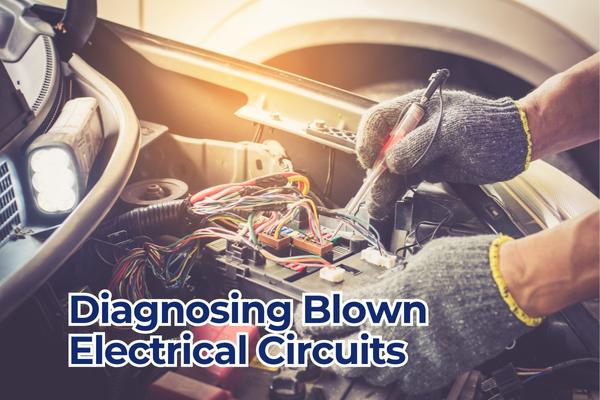
Identifying a Blown Electrical Circuit
When an electrical circuit blows, one or more devices connected to that circuit will stop working. However, several other signs can help pinpoint the exact issue.
- Signs of a Blown Circuit
- Complete Power Loss: If an entire section of your home or vehicle suddenly loses power, it’s likely due to a blown circuit breaker or fuse.
- Burning Smell or Scorch Marks: If an outlet or breaker panel smells like burning plastic or has dark scorch marks, it indicates overheating or a short circuit.
- Flickering or Dimming Lights: Lights that flicker before turning off could be a sign of an overloaded or failing circuit.
- Buzzing or Popping Sounds: If you hear buzzing near an outlet or breaker panel, it might signal an electrical failure.
- Blown Fuses (Older Systems or Vehicles): If your system uses fuses instead of circuit breakers, check for a broken filament or blackened glass inside the fuse.
- Testing the Circuit
To confirm a blown circuit, follow these steps:
- Check Other Outlets or Devices: Plug another device into the affected outlet to ensure it’s not a faulty appliance.
- Inspect the Breaker Panel: Look for a tripped breaker. If one switch is in the middle position, reset it by flipping it fully off and then back on.
- Use a Multimeter: If the power is still out, test the voltage at the outlet or circuit breaker using a multimeter. A reading of zero volts confirms a blown circuit.
- Check for Blown Fuses (for Fuse-Based Systems): Remove the fuse and inspect it for visible damage. If necessary, replace it with one of the same amperage rating.
If resetting the breaker or replacing a fuse doesn’t restore power, the issue may be deeper, such as a damaged wire or faulty electrical component.
Causes of Blown Electrical Circuits and How to Fix Them
Once you’ve identified a blown circuit, the next step is finding the cause. Several factors can lead to electrical failure, and understanding them helps prevent future issues.
- Overloaded Circuit
An overloaded circuit occurs when too many accessories or devices are connected to the same power source in your vehicle, drawing more current than the circuit’s fuse rating can handle. This is common in modern cars where multiple devices (phone chargers, dash cams, portable coolers, etc.) are plugged into cigarette lighter sockets or USB ports simultaneously.
How to Fix It:
- Unplug some devices from the affected circuit and replace the blown fuse with one of identical amperage rating.
- Distribute high-power accessories across different vehicle circuits or power outlets when available.
- For permanent installations like amplifiers or additional lighting, consider installing a dedicated circuit with appropriate fuse protection directly from the battery.
- If overloading is frequent with standard equipment, have the vehicle’s electrical system inspected by a professional as it may indicate a failing component drawing excessive current.
2. Short Circuit
A short circuit happens when a hot wire comes into direct contact with a neutral or ground wire, causing an abrupt surge of electricity. This can result from damaged wiring, faulty appliances, or moisture exposure.
How to Fix It:
- Inspect all outlets and wiring for visible damage or burnt areas.
- Unplug all appliances and reset the breaker. If the circuit trips again, the issue may be in the wiring.
- Use a multimeter to test for continuity and identify a shorted wire. If needed, call an electrician to repair faulty wiring.
3. Ground Fault
A ground fault occurs when an electrical current strays outside its intended path and flows into the ground. This is common in damp areas like bathrooms and kitchens. Ground Fault Circuit Interrupters (GFCIs) are designed to prevent electrical shocks by shutting off the circuit when a ground fault is detected.
How to Fix It:
- Press the “reset” button on the GFCI outlet. If it trips again, unplug all devices and test one by one to find the faulty item.
- Check for moisture or water leaks around electrical outlets.
- If the problem persists, have an electrician inspect for faulty wiring.
4. Aging or Damaged Wiring
Old or deteriorated wiring can lead to blown circuits, especially in older homes. Frayed wires, rodent damage, and loose connections increase the risk of electrical failures.
How to Fix It:
- Look for visible signs of wear, such as exposed wires or discolored outlets.
- If wiring is outdated, consider an electrical system upgrade.
- Hire a professional electrician if you suspect internal wiring issues.
Case Study: Diagnosing a Blown Circuit in a Vehicle
Sarah, a sales representative, noticed her car’s power windows and radio suddenly stopped working after connecting her phone charger and portable cooler to the cigarette lighter socket. The dashboard lights remained functional, suggesting only certain electrical components were affected.
After checking her owner’s manual, she located the fuse box under the dashboard. Using the diagram, she identified and examined the 15-amp accessory circuit fuse, finding it had blown from the excessive power draw of multiple devices.
She replaced the blown fuse with a spare from the emergency kit and reduced her electrical load by using only one device at a time. By understanding her vehicle’s circuit limitations, Sarah prevented potential damage to her car’s electrical system and avoided an unnecessary trip to the mechanic.
Conclusion
Diagnosing a blown electrical circuit doesn’t have to be complicated. By recognizing the warning signs, checking breakers or fuses, and identifying the root cause, you can restore power safely and prevent future failures. Whether the issue stems from an overloaded circuit, short circuit, or aging wiring, taking proactive steps ensures a reliable electrical system.
Want more troubleshooting tips? Explore our other articles, like ‘Signs of Faulty Ignition Coils’, for expert advice on home and vehicle electrical issues!
FAQs About Diagnosing Blown Electrical Circuits
1. How do I know if my circuit breaker is bad?
If your breaker frequently trips even after reducing the load, or if it doesn’t reset properly, it may be faulty and need replacement.
2. What should I do if my circuit keeps blowing?
Repeated circuit failures indicate deeper issues, such as a short circuit or faulty wiring. If the problem persists, contact a qualified electrician for an inspection.
3. Can I replace a circuit breaker myself?
While replacing a breaker is possible for those with electrical knowledge, working with live panels can be dangerous. If unsure, hire an electrician.
4. Why does my fuse keep blowing in my car?
Frequent fuse blowouts in a vehicle often indicate a short circuit, a faulty electrical component, or a wiring issue. Inspect the affected system and replace any damaged parts.
5. How can I prevent blown circuits in my car?
Avoid connecting multiple power-hungry accessories to one circuit, regularly inspect wiring harnesses for damage or exposure, and install proper fuses for any aftermarket electronics. Consider a battery maintainer when using accessories while the engine is off, and have your alternator and electrical system checked during routine maintenance.