

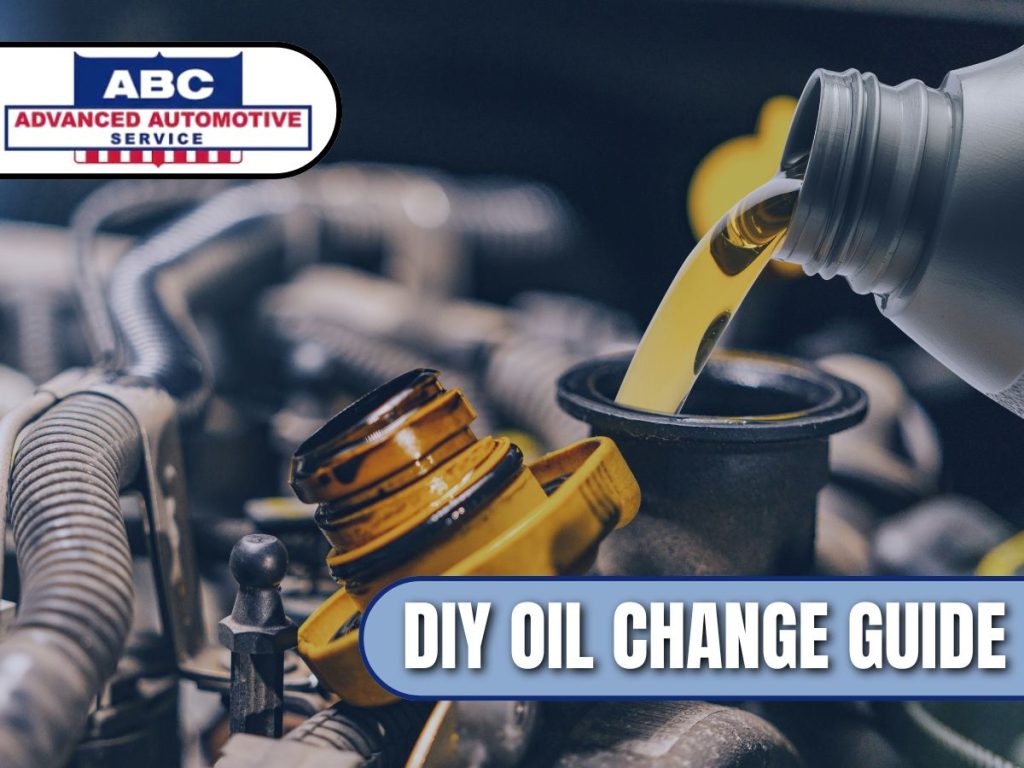
Regular oil changes are essential for keeping your engine in top shape, but taking your car to a shop for this basic service can be costly. Many drivers wonder if they can change their own oil to save money and extend their engine’s life. The good news is that with the right tools and knowledge, changing your oil at home is easy, cost-effective, and rewarding.
This guide will walk you through the entire DIY oil change process, from choosing the right oil to proper disposal of old oil. Whether you’re a beginner or have some experience with car maintenance, following these steps will help keep your vehicle running efficiently while avoiding costly engine damage.
Essential Tools and Materials for an Oil Change
Before getting started, gather all the necessary tools and supplies. Having everything ready will make the process smoother and help you avoid mid-task delays.
What you’ll need:
- Fresh Engine Oil – Refer to your owner’s manual for the correct oil type and viscosity. Most vehicles use synthetic, semi-synthetic, or conventional oil.
- Oil Filter – Always replace the oil filter when changing your oil to ensure proper filtration.
- Oil Drain Pan – Used to catch the old oil during draining.
- Socket Wrench or Oil Filter Wrench – Needed to remove the drain plug and oil filter.
- Funnel – Prevents spills when pouring in new oil.
- Jack and Jack Stands – If your vehicle has low ground clearance, use a jack to lift the front.
- Gloves and Rags – Protects your hands and helps clean up spills.
- Oil Filter Gasket or O-Ring – Some oil filters come with a gasket that needs to be replaced.
- Safety Glasses – Protects your eyes from splashing oil.
Choosing the Right Oil for Your Car
Viscosity Matters: Check your vehicle’s manual for the recommended oil viscosity (e.g., 5W-30, 10W-40).
Synthetic vs. Conventional Oil: Synthetic oil lasts longer and performs better in extreme temperatures, while conventional oil is cheaper but requires more frequent changes.
High-Mileage Oil: For vehicles with over 75,000 miles, switching to high-mileage oil can provide extra protection for your engine, helping to reduce wear and maintain its performance.
Step-by-Step Guide to Changing Your Oil
Follow these detailed steps to safely and efficiently change your oil.
Prepare Your Car
- Make sure to park your vehicle on level ground and activate the parking brake to ensure it stays securely in place.
- If necessary, lift the front of the vehicle using a jack and jack stands.
- Start your engine and let it run for about 5 minutes. This helps warm up the oil, making it flow more easily when you’re draining it. After that, turn off the engine before proceeding.
Drain the Old Oil
- Place the oil drain pan under the oil drain plug.
- Use a socket wrench to remove the drain plug and let the old oil drain completely (this may take 5-10 minutes).
- Inspect the drain plug gasket and replace it if worn.
Remove and Replace the Oil Filter
- Use an oil filter wrench to loosen and remove the old oil filter.
- Apply a small amount of fresh oil to the new filter’s gasket to ensure a tight seal.
- Install the new filter hand-tight, ensuring it’s snug but not overtightened.
Add New Oil
- Insert a funnel into the oil fill cap.
- Pour in the recommended amount of new oil (usually 4-6 quarts, but check your manual).
- Replace the oil fill cap and wipe away any spills.
Check Oil Levels
- Start the engine and let it run for 1-2 minutes.
- Turn off the engine and wait 5 minutes for the oil to settle.
- Use the dipstick to check the oil level and add more if necessary.
Dispose of the Old Oil Properly
Pour used oil into a sealed container and take it to an auto parts store or recycling center. Never dump oil down the drain or onto the ground, as it is hazardous to the environment.
Conclusion
Changing your own oil is a simple but essential maintenance task that helps prolong your engine’s life, improve fuel efficiency, and prevent costly repairs. With the right tools, knowledge, and routine schedule, you can confidently perform oil changes at home and save money in the long run.
By following this DIY oil change guide, you ensure your vehicle stays in peak condition. If you want to explore more car maintenance tips, check out related articles on how to inspect belts, signs of engine trouble, and brake system maintenance.
FAQs
1. How often should I change my car’s oil?
Generally, you’ll need to change your car’s oil every 5,000 to 7,500 miles if you’re using conventional oil. If you opt for synthetic oil, you can typically go up to 10,000 miles between changes. However, it’s always a good idea to check your car’s owner’s manual for the manufacturer’s specific guidance, as different vehicles may have unique requirements.
2. Can I reuse my old oil filter?
No, the oil filter should be replaced with every oil change. A used filter loses effectiveness and can allow contaminants to circulate in the engine, leading to wear and damage.
3. What happens if I overfill my engine with oil?
Overfilling can cause excessive pressure, leading to oil leaks, smoking exhaust, or engine damage. If you overfill, drain the excess immediately to avoid serious issues.
4. What should I do if I spill oil on my driveway?
Use cat litter, baking soda, or a degreaser to absorb the oil, then scrub the area with warm, soapy water. Avoid rinsing oil into storm drains, as it can harm the environment.
5. Can I switch between synthetic and conventional oil?
Yes, you can switch between synthetic and conventional oil, but ensure both types meet your vehicle’s specifications. Synthetic oil generally offers better protection and longevity, making it a preferred choice for many drivers.
6. What are the risks of skipping oil changes?
Skipping oil changes leads to dirty, sludgy oil, which causes increased engine wear, overheating, and reduced performance. Over time, neglecting oil changes can result in severe engine damage and costly repairs.
Explore More DIY Car Maintenance Tips
Now that you know how to change your oil, take the next step in vehicle care! Check out our guides on tire maintenance, inspecting belts, and brake system repairs to keep your car running smoothly. 🚗🔧