

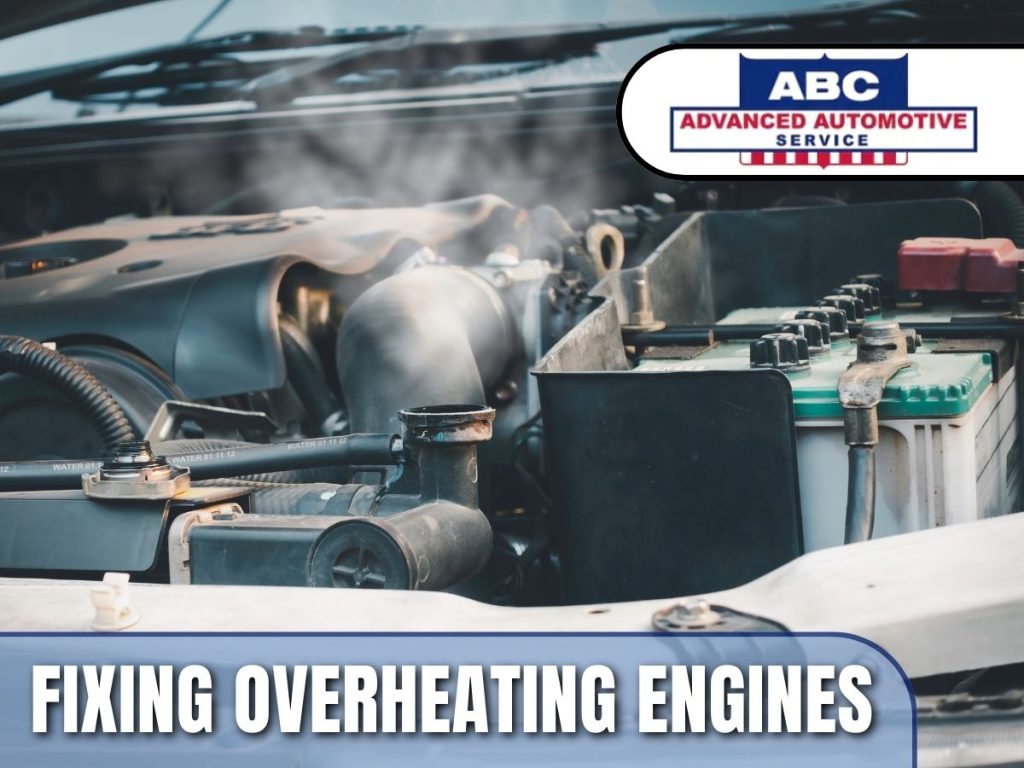
An overheating engine can leave you stranded and cause severe damage if not addressed immediately. Whether you’re stuck in traffic or driving on a hot day, knowing how to fix an overheating engine can prevent costly repairs. If your temperature gauge is rising, steam is coming from under the hood, or your engine starts losing power, you need to act fast. This guide will walk you through how to fix an overheating engine, common causes, and how to prevent it from happening again.
Pull Over and Let the Engine Cool
If you notice signs of overheating, take the following steps:
- Turn off the air conditioning – The A/C puts extra strain on the engine.
- Turn on the heater – This helps pull heat away from the engine and into the cabin, temporarily reducing engine temperature.
- Find a safe place to stop – Pull over and turn off the engine immediately.
- Wait at least 30 minutes before opening the hood – A hot engine can cause burns, and opening the radiator cap too soon can release pressurized steam, leading to serious injuries.
Check Coolant Levels
Once the engine is cool, carefully open the hood. Locate the coolant reservoir (usually a translucent plastic tank near the radiator). If coolant levels are low, add a 50/50 mix of coolant and water to bring it to the proper level. Do not add cold water to a hot engine, as it may cause the engine block to crack due to rapid temperature change.
Inspect for Coolant Leaks
Check underneath the car for puddles of coolant (coolant is usually green, pink, or orange). Look at hoses, the radiator, and the water pump for any visible leaks or cracks. If you find a leak, a temporary fix like a radiator sealant can help, but a professional repair is needed to fix the problem permanently.
Check the Radiator and Cooling Fans
Inspect the radiator for clogged fins, corrosion, or debris that may block airflow. Make sure the cooling fan is running when the engine gets hot. If it’s not working, the fan motor, relay, or temperature sensor may be faulty. A clogged radiator may need a coolant flush to remove buildup and improve cooling efficiency.
Test the Thermostat
A faulty thermostat can prevent coolant from flowing, causing overheating. Symptoms of a bad thermostat include, fluctuating temperature gauge, overheating immediately after starting the car and coolant not circulating properly. If you suspect the thermostat is stuck, replacing it is a simple and affordable fix.
Check the Water Pump
The water pump circulates coolant through the engine. If it fails, the coolant won’t reach critical components, leading to overheating. Signs of a bad water pump include whining noise from the engine, coolant leaks near the front of the engine and overheating even when coolant levels are full. If the water pump is faulty, it needs to be replaced immediately to restore cooling function.
Drive with Caution Until You Reach a Mechanic
If your engine has cooled and you need to drive to a repair shop, follow these steps:
- Avoid high speeds and hard acceleration – This reduces engine strain.
- Turn off the A/C and open the windows to prevent additional heat buildup.
- Keep an eye on the temperature gauge and pull over if it rises again.
A driver ignored a minor coolant leak for weeks until one day, the engine overheated on the highway. After pulling over, steam poured from the hood. A mechanic later confirmed a failing water pump and a clogged radiator, leading to a $1,200 repair bill. If the driver had addressed the leak earlier, a simple $50 hose replacement could have prevented the breakdown.
Regular Cooling System Maintenance
Regular cooling system maintenance is essential to keep your vehicle running efficiently. Check coolant levels monthly and top them off if needed. Flush the radiator every 30,000–50,000 miles to remove debris and prevent clogs. Inspect radiator hoses and belts regularly for cracks, leaks, or loose connections. During routine servicing, check the water pump to ensure it’s functioning properly.
Monitor Engine Performance
Monitor engine performance by keeping an eye on the temperature gauge. If it starts rising, investigate the issue immediately. Pay attention to any unusual noises, such as whining or gurgling sounds, as they could indicate problems with the cooling system. Regularly check for leaks by looking under the car for coolant puddles, especially after parking overnight.
Adopt Smart Driving Habits
Adopting smart driving habits can help maintain your vehicle’s efficiency, especially in hot weather. Avoid excessive idling when stuck in traffic by turning off the engine if it is safe to do so. Carrying unnecessary extra weight forces the engine to work harder, so be mindful not to overload the vehicle. Using the correct coolant mixture, ideally a 50/50 blend of antifreeze and water, ensures optimal cooling performance. Additionally, turning off the air conditioning in heavy traffic can prevent unnecessary strain on the cooling system, helping your engine stay in good condition.
Here is a case of a driver who regularly maintained their cooling system noticed a minor coolant leak during an inspection. Instead of ignoring it, they replaced a worn radiator hose for $40. By catching the issue early, they avoided a potential engine failure that could have cost thousands in repairs.
Conclusion: Fix Overheating Before It Leads to Expensive Repairs
An overheating engine is a serious problem, but acting quickly can prevent costly damage. Follow these steps to fix an overheating engine:
- Pull over and let the engine cool.
- Check coolant levels and refill if necessary.
- Look for leaks, radiator clogs, or a malfunctioning thermostat.
- Test the cooling fans and water pump for proper function.
- Drive carefully to a mechanic if the issue persists.
Preventing overheating is just as important as fixing it, much like knowing when to replace clutch components is crucial for transmission health. Routine cooling system maintenance and smart driving habits will keep your engine in top shape. If you notice frequent overheating, coolant leaks, or unusual noises, schedule an inspection immediately to avoid costly engine damage.
FAQS
1. What should I do if my engine overheats while driving?
Pull over, turn off the engine, and wait at least 30 minutes before checking coolant levels. Never open the radiator cap while the engine is hot.
2. Can I still drive if my car is overheating?
No, driving with an overheating engine can cause serious damage, such as a blown head gasket or warped cylinder head.
3. How often should I replace my coolant?
Change coolant every 30,000–50,000 miles or as recommended in your vehicle’s manual.
4. Can a bad thermostat cause overheating?
Yes, if the thermostat is stuck closed, it blocks coolant flow, causing the engine to overheat rapidly.
5. What is the cost to fix an overheating engine?
Repairs range from $100 for a coolant flush to $2,000+ for a blown head gasket. Catching problems early can save thousands. Don’t let overheating ruin your engine. Follow these steps to fix and prevent overheating issues. If you’re experiencing high temperatures, coolant leaks, or engine trouble, schedule a cooling system inspection to keep your vehicle running safely.