

Motor oil isn’t just a simple fluid in your car—it’s the unsung hero that keeps your engine running smoothly. While most drivers know oil lubricates the engine, many are unaware of the full scope of its protective duties. From reducing wear and tear to preventing overheating, motor oil plays a critical role in keeping engine components in top shape. In this post, we’ll explore how oil protects these parts and why maintaining it properly is crucial for the long-term health of your vehicle.
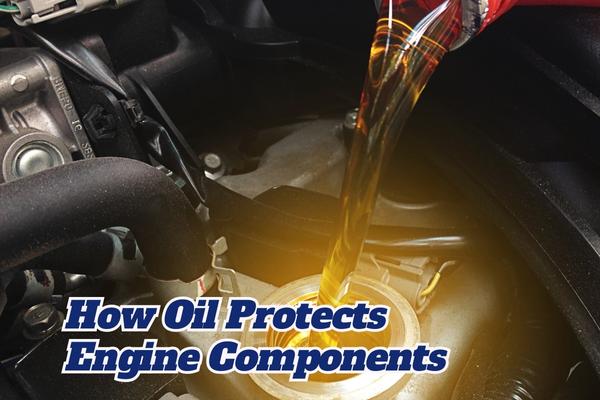
The Vital Functions of Motor Oil in Engine Protection
Motor oil is more than just something that keeps your engine lubricated. It’s an essential player in maintaining engine health, working hard to reduce wear, manage heat, and keep everything running smoothly. Let’s break down the key roles oil plays in protecting your engine:
1. Reducing Friction and Wear
Your engine is made up of several moving parts, including pistons, crankshafts, and camshafts, all working together like gears in a well-oiled machine (pun intended!). As they move, they create friction, and that friction can lead to wear and tear. Over time, this friction can cause serious damage if not managed properly. This is where motor oil comes in to save the day.
- Protective Barrier: Oil acts as a barrier between metal parts, ensuring they don’t come into direct contact.
- Friction Reduction: By forming a thin lubricating film, oil reduces friction by up to 50%, keeping your engine parts in good shape.
- Cold Start Protection: On a cold start, the oil is especially important. When the engine’s cold, parts aren’t well-lubricated, and without oil, the friction would cause premature wear. Oil helps by quickly circulating and coating those parts to prevent damage.
2. Cooling Engine Components
Engines can get incredibly hot, especially during long drives or when hauling heavy loads. Overheating can wreak havoc on engine parts, causing them to expand, warp, or even crack. Here’s where oil comes in to act as your engine’s cooling system:
- Heat Absorption: As oil circulates, it absorbs heat from high-temperature areas like the combustion chamber.
- Heat Dissipation: The oil carries the heat away to the oil pan, where it cools before recirculating through the engine. This constant process helps maintain an optimal temperature.
- High-Performance Engines: For heavy-duty or performance engines, the ability of oil to manage heat is especially important. Without oil, the engine would quickly overheat, leading to major damage.
How Oil Protects Key Engine Components
Oil isn’t just doing its job for the engine as a whole—it specifically targets key components to keep them in top condition. Let’s take a closer look at how it protects the most vital parts:
1. Pistons and Piston Rings
Pistons are responsible for converting the energy created by combustion into mechanical energy, driving the vehicle forward. The piston rings seal the pistons inside the cylinders, preventing combustion gases from escaping into the crankcase. However, pistons face immense pressure and friction, making them highly vulnerable to wear.
- Lubrication: Oil lubricates the pistons and piston rings, reducing friction and preventing wear.
- Barrier Against Combustion Gases: Oil also forms a protective barrier that prevents combustion gases from damaging the piston rings, ensuring the pistons remain intact.
- Prevention of Seizing: Without oil, pistons could seize or wear out prematurely, resulting in engine failure. Oil ensures the pistons operate smoothly, maintaining the engine’s efficiency.
2. Crankshaft
The crankshaft is a critical component that converts energy from the pistons into rotational force, which ultimately drives your wheels. The crankshaft spins at high speeds, so it needs constant lubrication to prevent excessive heat and wear.
- Lubricating the Bearings: Oil forms a protective layer between the crankshaft bearings and the crankshaft itself, preventing damaging metal-to-metal contact.
- Heat Absorption: Oil helps absorb heat from the crankshaft, allowing it to rotate smoothly without overheating.
- Prevention of Damage: By reducing friction and heat, oil keeps the crankshaft running smoothly for longer, preventing issues like cracks or excessive wear.
3. Valves and Valve Lifters
Valves control the intake and exhaust of gases in the combustion chamber, while valve lifters (also called tappets) help open and close the valves at the right time. These components work under high pressure and friction, especially in high-performance engines.
- Smooth Operation: Oil lubricates the valves and valve lifters to ensure they operate smoothly and efficiently.
- Prevention of Wear: If oil levels are too low, or if the oil breaks down, friction increases, leading to faster wear. This can cause poor engine performance or even misfires.
- Maintaining Engine Efficiency: Proper lubrication keeps valves and lifters functioning correctly, allowing the engine to maintain its performance and avoid costly repairs.
Case Study: The Real-World Impact of Proper Oil Use
Let’s consider the example of a fleet of delivery vehicles in Billings, MT, that adopted regular oil changes with high-quality synthetic oil. Over a two-year period, fleet operators found that these vehicles had fewer breakdowns and repairs compared to a similar fleet using conventional oil. The vehicles with synthetic oil experienced less engine wear, improved fuel efficiency, and smoother overall operation.
By using better oil, the fleet extended the life of engine components like pistons, crankshafts, and valves, saving on costly repairs and downtime. This case study highlights the importance of using the right oil for engine protection and ensuring the longevity of vehicle components.
Why Regular Oil Changes Matter
One of the simplest and most effective ways to keep your engine components protected is by changing the oil at regular intervals. Over time, motor oil accumulates dirt, metal shavings, and other contaminants that degrade its ability to lubricate. Old, contaminated oil can no longer protect engine parts effectively, leading to increased friction and wear.
Changing your oil at the manufacturer’s recommended intervals ensures that the engine is always well-lubricated. It also helps remove harmful contaminants, like carbon deposits and metal shavings, that could cause damage to your engine. Regular oil changes are crucial to maintaining your car’s health and preventing unnecessary repairs.
1. The Role of Oil Filters
In addition to regular oil changes, the oil filter plays an important role in keeping engine components protected. The filter traps dirt, debris, and contaminants from the oil as it circulates, preventing harmful particles from damaging sensitive engine parts. A clean oil filter ensures the oil continues to flow freely, maintaining its lubricating, cooling, and protective properties.
Conclusion
Motor oil is essential to the smooth operation of your engine. From reducing friction and preventing wear to cooling components and protecting vital parts, oil is truly the unsung hero of vehicle maintenance. Regular oil changes, combined with proper maintenance, ensure your engine runs efficiently, stays protected, and lasts for years.
Understanding how oil protects engine components helps you appreciate its role in keeping your car running smoothly. By choosing the right oil and sticking to the recommended maintenance schedule, you can avoid costly repairs and ensure the longevity of your vehicle.
Ready to keep your engine running strong? Don’t wait for issues to arise—schedule your next oil change today to protect your engine and ensure it performs at its best! Explore our additional resources, including Eco-Friendly Oil Disposal Methods, for expert tips on vehicle maintenance.
FAQs
1. How does motor oil reduce friction in an engine?
Motor oil creates a thin lubricating film between engine parts, preventing metal-to-metal contact, reducing friction, and minimizing wear and heat buildup.
2. Can low oil levels cause engine damage?
Yes, low oil levels can lead to inadequate lubrication, causing friction, overheating, and wear on engine components, which may result in serious damage.
3. Why is synthetic oil better for engine protection?
Synthetic oil offers superior lubrication, resists breaking down at high temperatures, and lasts longer than conventional oils, providing enhanced protection for engine components.
4. How often should I change my engine oil?
It’s typically recommended to change engine oil every 3,000 to 5,000 miles for conventional oil and 7,500 to 15,000 miles for synthetic oil, based on your car’s guidelines.
5. What happens if I don’t change my oil regularly?
Neglecting oil changes leads to the buildup of contaminants, causing increased friction, engine wear, overheating, and ultimately, engine failure.