

Changing your car’s oil is a necessary part of vehicle maintenance, but what do you do with the used oil afterward? In Billings, MT, many car owners make the mistake of dumping it down the drain or into the ground, not realizing that even one gallon of oil can contaminate up to one million gallons of water. Improper disposal harms the environment, clogs sewage systems, and can lead to heavy fines. In this guide, we’ll explain how to dispose of used oil properly, ensuring safety and compliance with environmental laws.
Why Proper Disposal of Used Oil is Important
Used motor oil is classified as hazardous waste due to its toxic substances, including heavy metals and chemical contaminants. Simply throwing it away or pouring it down the drain can have devastating consequences.
1. Environmental Impact of Improper Disposal
When used oil is disposed of incorrectly, it can:
- Contaminate soil and groundwater – Just one quart of oil can pollute 250,000 gallons of water.
- Harm wildlife and ecosystems – Oil spills can suffocate plants and animals, destroying habitats.
- Create toxic fumes – Burning used oil releases harmful pollutants into the air.
2. Legal Consequences of Improper Oil Disposal
Most countries have strict laws regulating used oil disposal. In the U.S., the Environmental Protection Agency (EPA) and state agencies enforce regulations to prevent pollution.
- Improper disposal can result in fines up to $50,000 per day or even jail time.
- Businesses that dump oil illegally may face lawsuits and permanent closure.
By properly disposing of your used oil, you help protect the environment and avoid severe penalties.
Step-by-Step Guide to Disposing Used Oil Safely
Now that you understand the importance of proper disposal, let’s go through the correct process for handling used oil.
Step 1: Collecting Used Oil Properly
After an oil change, the first step is to safely collect and store the used oil.
How to Collect Used Oil Without Spills
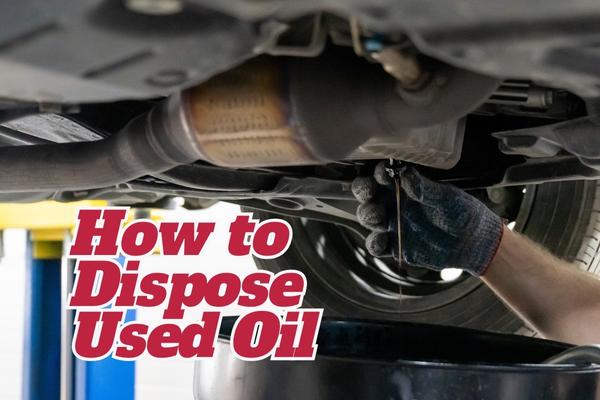
- Use an oil drain pan – When draining the old oil, use a sealed, non-leaking container to prevent spills.
- Avoid contamination – Keep oil separate from other fluids like antifreeze or gasoline, as mixing can make recycling impossible.
- Store in an approved container – Transfer the oil into a clean, leak-proof plastic or metal container with a tight-fitting lid. Used oil containers should be labeled to avoid confusion.
Example: Mark, a DIY car enthusiast, once stored his used oil in an open bucket. During a storm, the bucket tipped over, contaminating his driveway and a nearby drainage system. After learning the risks, he switched to using sealed containers and now takes his oil to a certified recycling center.
Step 2: Where to Take Used Oil for Recycling
Used motor oil never goes bad—it can be recycled indefinitely. Instead of throwing it away, take it to an authorized facility for proper disposal.
Common Places That Accept Used Oil:
- Auto Parts Stores – Many major retailers like AutoZone and O’Reilly Auto Parts accept used oil for free.
- Service Stations and Mechanics – Local repair shops often recycle used oil.
- Hazardous Waste Collection Sites – Cities and counties frequently have designated drop-off centers.
- Oil Recycling Centers – Some organizations specialize in reprocessing used oil into new products.
How Oil is Recycled:
Recycling facilities filter out contaminants, allowing the oil to be refined and reused as lubricants, industrial fuel, or raw materials for new oil production.
Additional Safe Disposal Methods for Used Oil and Filters
Used oil is not the only waste product from an oil change—oil filters also require proper disposal. Many people don’t realize that filters contain residual oil, which can be hazardous if discarded carelessly.
1. How to Dispose of Used Oil Filters
- Drain the filter – Let the filter sit upside down in a pan for 12-24 hours to remove excess oil.
- Store in a sealed bag – Place drained filters in a plastic bag or metal container.
- Recycle with used oil – Many recycling centers accept filters along with used oil.
2. Can You Reuse or Repurpose Used Oil?
While most used oil should be professionally recycled, some clean, uncontaminated oil can be repurposed in specific ways:
- Lubrication for tools – Used motor oil can be used as a rust prevention coating for metal tools.
- Fuel for oil heaters – Some specialized heaters burn used oil as a heat source.
- Industrial applications – Factories often process used oil into lubricants for heavy machinery.
If reusing oil, ensure it is properly filtered and free from contaminants to prevent damage to equipment.
Case Study: The Impact of Oil Recycling on the Environment
In Billings, MT, the Used Oil Recycling Program has successfully collected and recycled over 1.2 billion gallons of used oil since its launch. By making recycling accessible through auto shops, waste facilities, and community programs, the state has significantly reduced illegal dumping and pollution.
This initiative highlights the importance of proper oil disposal and demonstrates how individuals can contribute to environmental conservation.
Conclusion
Properly disposing of used oil is essential for protecting the environment, avoiding legal trouble, and promoting sustainability. Instead of dumping oil carelessly, collect it in a sealed container and take it to a certified recycling center. Recycling your used oil helps conserve natural resources and prevents water contamination.
Taking the time to dispose of oil the right way benefits everyone—from your local community to the planet as a whole.
🚗 🔧Looking for more car maintenance tips? Explore our latest guides on responsible DIY Oil Change Tools Needed and eco-friendly vehicle maintenance!
FAQs
1. Can I throw used oil in the trash?
No, used oil is classified as hazardous waste and must be recycled or taken to a designated disposal site.
2. What happens if I mix used oil with other fluids?
Mixing oil with antifreeze, gasoline, or other fluids makes it unrecyclable and may require special hazardous waste disposal.
3. How do I find an oil recycling center near me?
Check with local auto parts stores, service stations, or your city’s waste management website for nearby drop-off locations.
4. Can I burn used motor oil in my backyard?
No, burning oil releases toxic fumes that are harmful to health and the environment. Use certified oil-burning heaters if needed.
5. What should I do with an old oil filter?
Drain the filter, store it in a sealed bag, and recycle it at an auto shop or hazardous waste collection center.