

Replacing your oil filter is a crucial yet often overlooked part of regular car maintenance. Many drivers focus on changing the oil but forget that the oil filter plays an equally important role. A clogged or old filter reduces oil flow, causes engine wear, and decreases performance. Understanding when and how to replace your oil filter can save you from costly repairs and keep your engine running efficiently. This guide covers the best oil filter replacement tips, helping you choose the right filter and avoid common mistakes.
Choosing the Right Oil Filter for Your Vehicle
1. Why the Right Oil Filter Matters
An oil filter’s job is to trap contaminants and debris before they circulate through your engine. Over time, the filter gets clogged, reducing oil flow and forcing your engine to work harder. Using the wrong filter or delaying replacement can lead to low oil pressure, poor lubrication, and even engine damage.
2. Types of Oil Filters
Understanding the different types of oil filters can help you select the best one for your vehicle.
Primary Oil Filters
These are standard filters found in most vehicles. They filter contaminants from the oil before it circulates through the engine, ensuring clean lubrication.
Secondary (Bypass) Filters
Some high-performance or diesel engines use secondary filters for extra filtration. These filters remove finer particles that primary filters might miss, improving oil cleanliness and engine efficiency.
Magnetic Oil Filters
These filters use magnets to attract metal particles from the oil, preventing them from damaging engine components. While not common in most vehicles, they provide additional protection in high-performance applications.
3. How to Find the Right Filter for Your Car
- Check the owner’s manual: Your manufacturer provides specific recommendations on the correct oil filter type and size.
- Match the filter to your oil type: Some filters are designed for synthetic oil, while others work best with conventional oil.
- Consider quality: While budget filters exist, investing in a high-quality filter ensures better filtration and longevity.
Using the wrong filter can restrict oil flow, leading to reduced engine performance and potential damage.
How to Replace Your Oil Filter Correctly
Step-by-Step Oil Filter Replacement Guide
Step 1: Gather Your Tools
Before starting, ensure you have:
- A new oil filter
- An oil filter wrench
- A drain pan (to catch oil drips)
- A funnel and fresh oil
- Shop towels or rags for cleanup
Step 2: Drain the Old Oil
- Warm up the engine for a few minutes to thin the oil for easier draining.
- Park on a level surface then place a drain pan under the oil pan.
- Use a socket wrench to loosen the drain plug and allow oil to drain completely.
Step 3: Remove the Old Oil Filter
- Locate the oil filter—it’s usually on the side or bottom of the engine.
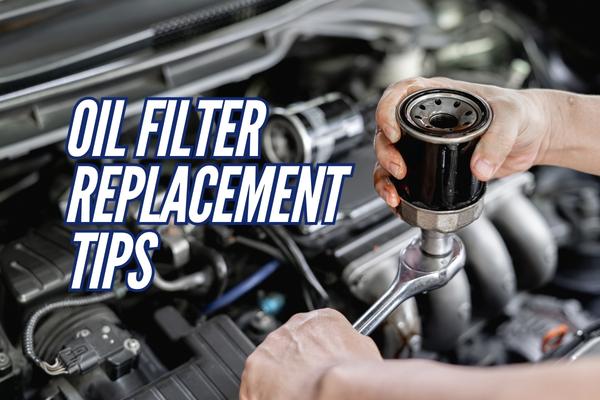
- Use an oil filter wrench to loosen and unscrew the filter.
- Some oil may leak out, so keep the drain pan underneath.
- Check the old filter’s rubber gasket—if it sticks to the engine, remove it to avoid sealing issues with the new filter.
Step 4: Install the New Oil Filter
- Apply a thin layer of fresh oil to the rubber gasket on the new filter. This helps create a proper seal.
- Screw the new filter by hand until snug. Avoid over-tightening, as this can damage the gasket.
Step 5: Refill with Fresh Oil
- Replace the drain plug and tighten it securely.
- Pour in, using a funnel, the recommended amount of new engine oil.
- Replace the oil cap, then turn on the engine and let it run for a few minutes to circulate the oil.
Step 6: Check for Leaks and Oil Level
- Turn off the engine and wait a few minutes.
- Check the dipstick to ensure the oil level is correct.
- Inspect for leaks around the filter and drain plug.
Following these steps ensures your oil filter is replaced correctly, keeping your engine protected and running efficiently.
Case Study: The Cost of Skipping an Oil Filter Replacement
David, a frequent highway driver in Billings, MT, changed his oil regularly but never replaced his oil filter. Over time, his car developed low oil pressure, and he noticed reduced fuel efficiency.
When he finally took his vehicle to a mechanic, they found that his clogged oil filter had restricted oil flow, causing excess engine wear. The solution? A costly $1,500 repair to replace damaged engine components.
Had he changed his oil filter with every oil change, he could have avoided unnecessary repairs and extended his engine’s life.
Conclusion
Replacing your oil filter regularly is just as important as changing your oil. A clean filter improves oil circulation, enhances engine performance, and prevents premature wear.
By choosing the right oil filter and following proper replacement techniques, you can extend your engine’s lifespan and avoid costly repairs. Don’t wait for problems to arise—replace your oil filter with every oil change to keep your car running at its best.
🔧 For more expert car maintenance tips, check out our latest guides on oil changes, engine performance, and DIY auto care!
Frequently Asked Questions (FAQs)
1. How often should I replace my oil filter?
You should replace your oil filter with every oil change or at least every 5,000 to 10,000 miles, depending on your vehicle and oil type.
2. Can I reuse an old oil filter?
No, oil filters are designed for single use. Reusing an old filter can lead to contamination, restricted oil flow, and engine damage.
3. What happens if I don’t change my oil filter?
A clogged oil filter reduces oil flow, causing poor lubrication, overheating, and increased engine wear, which can lead to expensive repairs.
4. Are all oil filters the same?
No, oil filters vary in size, filtration capability, and compatibility. Always check your owner’s manual to select the correct filter for your vehicle.
5. Can I change my oil filter without changing the oil?
While possible, it’s not recommended. Changing both oil and filter together ensures your engine gets clean lubrication without contamination from an old filter.
Explore More Auto Care Tips
🚗 Best Oil for Your Vehicle: How to Choose the Right One
🔧 Signs You Need an Oil Change: How to Know When It’s Time
🛢️ How Oil Affects Engine Performance and Efficiency
📢 Keep your car running at peak performance—explore our expert auto care resources today!