

Tire Pressure Monitoring Systems (TPMS) are essential safety features in modern vehicles. They alert drivers when tire pressure is too low, which can prevent accidents and enhance fuel efficiency. Understanding how TPMS works, its types, and the importance of maintaining proper tire pressure can save you time, money, and potentially dangerous situations.
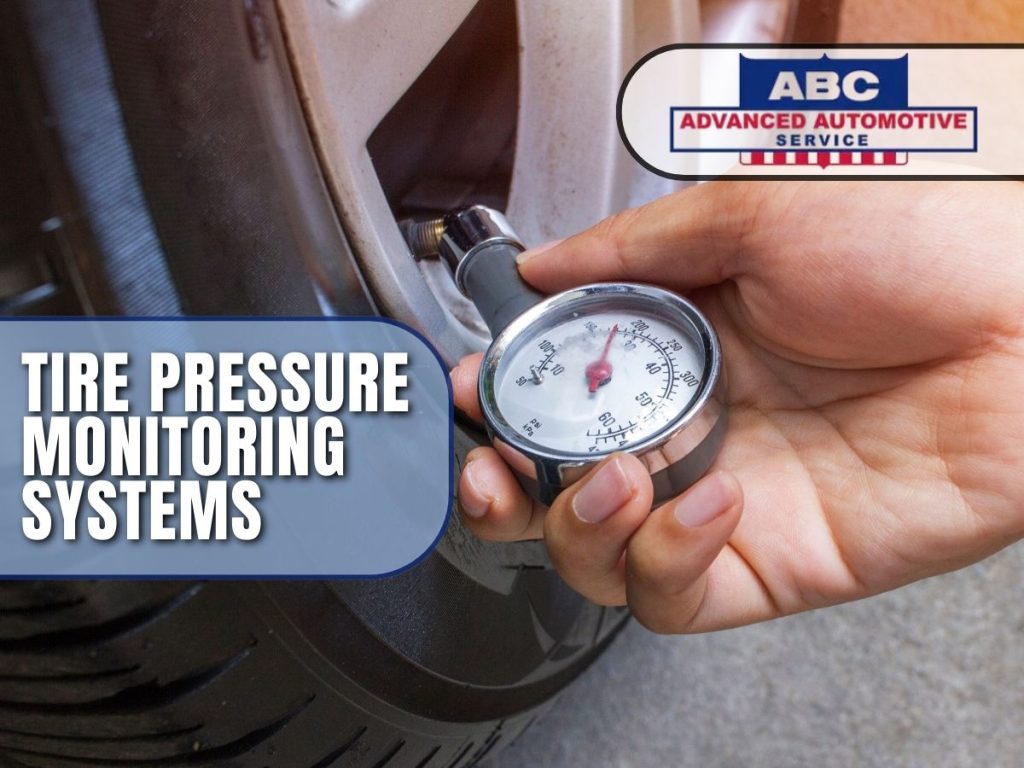
What is a Tire Pressure Monitoring System?
A Tire Pressure Monitoring System (TPMS) is a technology installed in most modern vehicles to monitor the air pressure inside each tire. The system alerts the driver when tire pressure is low, which helps prevent tire-related accidents, improve fuel efficiency, and extend tire life.
The primary purpose of TPMS is to ensure that all tires are inflated to their optimal pressure, which is usually listed in the vehicle’s manual or on a sticker located on the driver’s side door. Proper tire pressure not only helps maintain safety on the road but also ensures that your car runs at peak efficiency.
Why is TPMS Important?
Driving with low tire pressure can lead to several issues:
- Reduced Fuel Efficiency: Under-inflated tires create more rolling resistance, forcing the engine to work harder, thereby decreasing fuel economy. According to the U.S. Department of Energy, under-inflated tires can lower fuel efficiency by up to 3%.
- Increased Tire Wear: Low tire pressure causes tires to wear unevenly and more quickly, leading to the need for more frequent replacements.
- Safety Hazards: Low tire pressure can cause tires to overheat and fail, leading to blowouts. In fact, the National Highway Traffic Safety Administration (NHTSA) estimates that tire-related issues cause over 11,000 accidents each year.
TPMS acts as a preventive measure to avoid these issues, alerting the driver before the situation becomes critical.
Types of Tire Pressure Monitoring Systems
There are two main types of TPMS: Direct TPMS and Indirect TPMS. Understanding the differences between these systems can help you determine which one your vehicle uses and how it functions.
Direct TPMS
Direct TPMS is the more accurate and widely used system. It uses sensors placed inside each tire, typically on the valve stem or inside the tire itself, to measure tire pressure directly. These sensors communicate wirelessly with the vehicle’s onboard computer and alert the driver when the pressure falls below a set threshold, typically 25% below the recommended level. Direct TPMS offers real-time, accurate tire pressure readings but requires costly sensor replacements when batteries expire.
Direct TPMS offers real-time, accurate tire pressure readings but requires costly sensor replacements when batteries expire.
Indirect TPMS
Indirect TPMS doesn’t directly measure tire pressure. Instead, it monitors the vehicle’s ABS (anti-lock braking system) sensors, which detect changes in the rotational speed of the tires. If one tire is under-inflated, it will rotate at a slightly different speed than the others, and the system will detect this discrepancy and issue a warning.
The advantage of an indirect TPMS is that it is cheaper and easier to install but is less accurate and slower to alert than a direct TPMS.
How Does TPMS Work?
The operation of a TPMS largely depends on the type of system in your vehicle, but both systems share some common principles.
- Sensors Monitor Tire Pressure: In a Direct TPMS, each tire has its own sensor that continuously monitors air pressure. For Indirect TPMS, the system monitors the wheel speeds using the ABS.
- Data is Sent to the Vehicle’s Computer: The tire pressure data is transmitted to the vehicle’s computer system, which compares the readings to the manufacturer’s recommended tire pressure.
- Warning Alerts: If the tire pressure falls below the recommended level (usually 25% or more), the system will send a warning signal to the dashboard, often in the form of a “low tire pressure” light.
- Driver Action: When a warning is issued, the driver should stop the vehicle safely, inspect the tires, and inflate them to the correct pressure. Some systems may display which tire is low, while others may only show a generic alert.
Practical Example: How TPMS Can Save You Money
Consider the case of John, who was driving his 2015 Honda Civic. One day, the TPMS light on his dashboard illuminated, indicating low tire pressure. At the time, he was in the middle of a long road trip and initially thought it wasn’t a major concern. However, taking the warning seriously, he pulled over to check the tires. He found that one of his rear tires had almost no air, while the others were within the normal range. He immediately filled the tire and avoided what could have been a dangerous blowout.
Because of the TPMS warning, John didn’t only prevent a potentially hazardous situation, but he also saved money on the unnecessary wear and tear on his tires and avoided a costly emergency roadside service. His quick response also helped preserve his fuel efficiency, as driving on under-inflated tires significantly reduces miles per gallon.
How to Maintain Your TPMS and Tire Pressure
Maintaining your TPMS and ensuring your tire pressure is always at the correct level is critical for your vehicle’s performance. Here are some essential tips for proper tire maintenance:
- Check Tire Pressure Regularly: Even with TPMS, it’s a good idea to check tire pressure manually once a month. This helps to ensure your sensors are working correctly and that your tires are properly inflated.
- Don’t Ignore the TPMS Light: If your TPMS light comes on, don’t assume it’s a false alarm. Stop and check your tire pressure immediately to prevent further damage.
- Replace Faulty Sensors: If the TPMS warning light stays on even when tire pressure is normal, you may have a faulty sensor. Get the sensors checked and replaced if necessary.
- Check Tire Pressure in Cold Weather: Tire pressure drops by about 1 PSI for every 10°F drop in temperature. Cold weather can lead to low tire pressure, so it’s important to check your tires more frequently during winter months.
Conclusion
Tire Pressure Monitoring Systems (TPMS) are essential safety features that help ensure your vehicle’s tires are properly inflated, improving safety, fuel efficiency, and tire longevity. While there are two types of TPMS—direct and indirect—both serve the same primary function: keeping you informed about tire pressure and preventing potentially dangerous issues. By regularly checking tire pressure, replacing faulty sensors, and responding promptly to TPMS alerts, you can maintain optimal vehicle performance and avoid costly repairs in the future.
Want to ensure your TPMS is working correctly, or learn more about the inspection process with our guide to car buyer inspections? Check out our expert recommendations on the best TPMS tools and tire maintenance tips.
FAQs
- How often should I check my tire pressure? It’s recommended to check tire pressure at least once a month and before long trips, even if your TPMS doesn’t indicate an issue.
- What happens if my TPMS light stays on? If the TPMS light stays on after inflating your tires, it could indicate a faulty sensor. Have it checked by a mechanic.
- Can I drive with the TPMS light on? If the TPMS light is on, it means one or more tires are under-inflated. It’s best to stop and inflate your tires before continuing your journey.
- How does cold weather affect tire pressure? Cold temperatures cause air in the tires to contract, which can reduce tire pressure. Check tire pressure more frequently in colder weather.
- Does TPMS save fuel? Yes, maintaining proper tire pressure through TPMS can improve fuel efficiency by reducing rolling resistance.