

Dashboard warning lights can be confusing, but ignoring them can lead to serious vehicle problems. Whether it’s the check engine light, oil pressure warning, or battery symbol, each light signals a specific issue. Some warnings require immediate action, while others simply remind you of routine maintenance. This guide will help you understand what different dashboard lights mean, why they appear, and how to respond effectively. By learning these signals, you can prevent costly repairs and keep your car running smoothly.
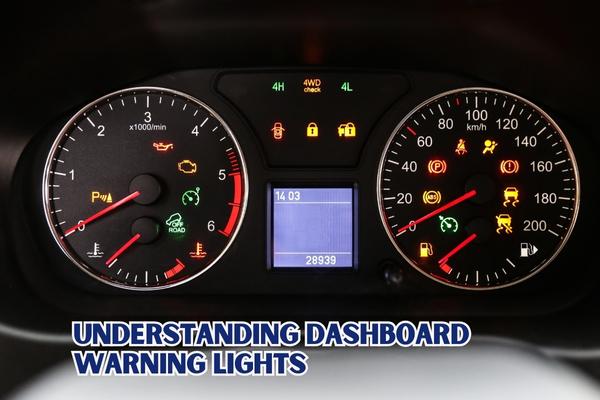
Common Dashboard Warning Lights and Their Meanings
Modern vehicles come equipped with a variety of dashboard lights, categorized into three main colors:
- Red Warning Lights (Critical Issues)
Indicate serious issues that need immediate attention.
- Check Engine Light
When this light comes on, it signals a problem with the engine, emissions system, or other vital components. A loose gas cap, faulty oxygen sensor, misfiring engine, or even serious engine damage could be the cause. If the light is flashing, stop driving immediately and get your car inspected. A steady light usually points to a less urgent issue, so check for simple fixes like tightening the gas cap before heading to a mechanic.
- Oil Pressure Warning Light
Low oil pressure is a major concern because it can severely damage your engine. This warning may appear due to low oil levels, a failing oil pump, or a clogged oil filter. If you see this light, pull over right away and check the oil level. If it’s low, top it up, but if the light remains on, don’t risk driving—call for professional assistance.
- Battery Warning Light
A battery warning means your charging system isn’t working correctly, which could leave you stranded. A faulty alternator, loose battery connections, or a failing battery might be to blame. Check for corrosion or loose cables at the battery terminals. If everything looks fine but the light stays on, get your charging system checked as soon as possible.
2. Yellow/Orange Warning Lights (Cautionary Warnings)
Warn about potential problems or maintenance needs.
- ABS Warning Light
If your ABS warning light turns on, it means the Anti-lock Braking System isn’t working properly. This could be due to a faulty ABS sensor, low brake fluid, or worn brake pads. While your brakes will still function, ABS may not engage during sudden stops. It’s best to have the braking system inspected soon.
- Tire Pressure Monitoring System (TPMS) Light
If this light turns on, it means one or more of your tires have low pressure. It could be due to underinflation, a small puncture, or a faulty TPMS sensor. Check your tire pressure and inflate as needed. If the light stays on, there may be a slow leak or a sensor issue that needs attention.
3. Green/Blue Lights (Informational Indicators)
Provide information about normal system operations.
High Beam Indicator
- What It Means: The high beams are turned on.
- What to Do: Use high beams only when necessary, and switch to low beams when other vehicles are nearby to avoid blinding other drivers.
Cruise Control Indicator
- What It Means: The cruise control system is active.
- What to Do: No action is needed unless you want to deactivate cruise control.
How to Respond to Dashboard Warning Lights
Step 1: Don’t Panic—Assess the Situation
If a warning light appears, stay calm and evaluate how your car is behaving. Are there strange noises? Is there smoke coming from the engine? Is your car driving differently?
- If a red light appears, pull over as soon as it’s safe and address the issue immediately.
- If a yellow light appears, check the car’s manual and plan for a service appointment.
- If a green or blue light appears, it’s simply informational, and no immediate action is required.
Step 2: Check the Owner’s Manual
Your car’s manual provides detailed explanations of each warning light and how to troubleshoot them. Keeping a copy in your glove box ensures you have quick access to this information.
Step 3: Perform Basic Troubleshooting
- Check Fluids: Low oil, coolant, or transmission fluid can trigger warning lights.
- Inspect Tires: A TPMS light often means you need to inflate your tires.
- Test the Battery: A battery light may indicate loose connections or an alternator issue.
- Listen for Unusual Sounds: Engine knocking, squealing brakes, or electrical buzzing can provide additional clues about the problem.
Step 4: Seek Professional Help When Necessary
Some issues, like a loose gas cap, can be fixed easily. However, if a warning light remains on after troubleshooting, take your car to a mechanic. Ignoring warnings can lead to costly repairs or breakdowns.
Case Study: Addressing a Persistent Check Engine Light
Scenario: Mike noticed his check engine light turned on after refueling. The car was running fine, so he didn’t panic.
Troubleshooting Steps:
- He checked the gas cap and found it was loose.
- After tightening it, he drove for a few miles, and the light turned off.
- If the light had stayed on, he planned to visit a mechanic for further diagnosis.
Lesson: Sometimes, warning lights indicate minor issues that can be fixed easily. Checking for simple causes before heading to a mechanic can save time and money.
Conclusion
Understanding dashboard warning lights is essential for vehicle maintenance and safety. Whether it’s a minor issue like low tire pressure or a serious problem like low oil pressure, knowing how to respond can prevent breakdowns and costly repairs.
🔧 Take Action: Pay attention to dashboard lights and address issues promptly. Keep your car’s manual handy, perform basic troubleshooting, and consult a mechanic when needed. Check our latest blog for Fixing Electrical Shorts Safely and for more insights and tips! 🚗💡
FAQs
1. Can I drive with the check engine light on?
If the light is steady, you may drive cautiously while monitoring the car’s performance. If it’s flashing, pull over immediately and seek professional assistance.
2. What should I do if my oil pressure warning light comes on?
Stop driving immediately. Low oil pressure can cause severe engine damage. Check the oil level and add oil if needed, but if the light stays on, call for assistance.
3. Why does my battery warning light turn on while driving?
This indicates an issue with the charging system. Your alternator may not be charging the battery, which could lead to a dead battery. Have the system checked as soon as possible.
4. Is it safe to ignore the ABS warning light?
Your brakes will still function, but the anti-lock braking system won’t engage during emergency stops, increasing the risk of skidding. Get it inspected as soon as possible.
5. How do I reset a warning light after fixing the issue?
Some warning lights turn off automatically after fixing the problem. If not, you may need to use an OBD-II scanner or disconnect the battery briefly to reset the system.