

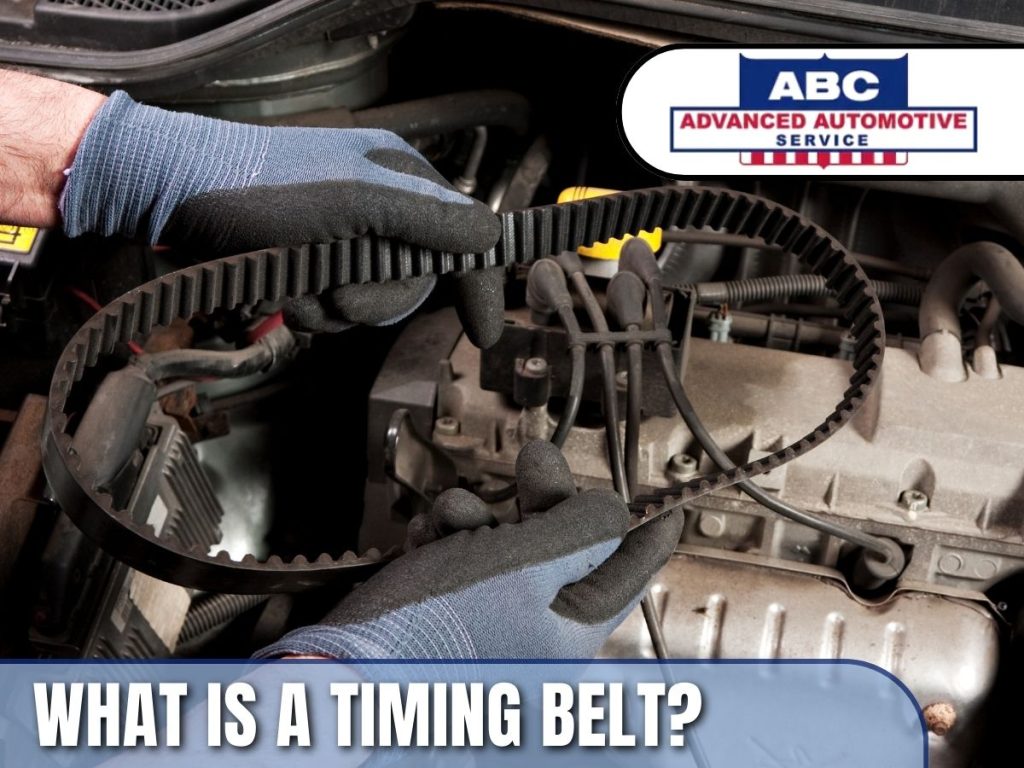
A timing belt is a crucial component in your car’s engine, playing a vital role in synchronizing the movements of various engine parts. While it’s often overlooked, understanding what a timing belt does—and why it’s essential for your car’s health—can save you from costly repairs down the road.
What is a Timing Belt?
A timing belt is a rubberized component in your engine that links the crankshaft to the camshaft, ensuring both parts rotate in perfect harmony. This precise synchronization is vital for the engine’s performance. The crankshaft drives the pistons, while the camshaft controls the valves, ensuring that air and fuel enter the cylinders at the correct moment for optimal combustion
In simpler terms, without a properly functioning timing belt, the valves and pistons wouldn’t move in harmony, causing the engine to misfire or even suffer serious damage. The timing belt is a key player in regulating the timing of your engine’s combustion process, which makes it critical for the overall performance and longevity of your car.
The Role of a Timing Belt in Engine Performance
The timing belt is designed to ensure the precise timing of your car’s engine parts. Here’s how it works:
- Synchronization of Engine Parts: The timing belt links the crankshaft and the camshaft, ensuring they move in sync. As the crankshaft spins, it moves the pistons up and down in the engine’s cylinders. At the same time, the camshaft regulates the opening and closing of the intake and exhaust valves. The timing belt ensures these critical parts work together seamlessly, enabling the combustion process to occur as intended.
- Preventing Engine Damage: If the timing belt fails, the pistons and valves can collide. This can lead to significant engine damage, often resulting in the need for expensive repairs. The risk of engine damage is particularly high in interference engines. In these engines the pistons and valves occupy the same space at different times. In these engines, a timing belt failure could cause the pistons to strike the valves, damaging both components
- Smooth Engine Operation: Beyond preventing catastrophic failure, the timing belt helps ensure the engine runs smoothly. A properly functioning timing belt contributes to better fuel efficiency, smoother operation, and reduced wear on other engine parts.
How Often Should You Replace Your Timing Belt?
Timing belts don’t last forever. Over time, the rubber in the belt can wear down, stretch, or even crack. This can compromise its ability to maintain proper timing, potentially leading to a breakdown.
Typically, manufacturers recommend replacing the timing belt every 60,000 to 100,000 miles depending on the make and model of your car. However, this can vary, so it’s crucial to consult your car’s owner’s manual or a trusted mechanic for the recommended replacement interval.
It’s also important to note that timing belts can fail prematurely if they are exposed to excessive heat or oil leaks. If the belt becomes brittle or cracked, it will need to be replaced earlier than the scheduled interval. Regular inspections can help detect early signs of wear and prevent unexpected issues.
Signs Your Timing Belt Needs Attention
Unlike many engine components, the timing belt doesn’t give off obvious signs that it’s failing. However, there are several warning signals that can indicate it’s time to get the timing belt replaced:
- Engine Misfires: If your engine is misfiring or running rough, it could be due to a malfunctioning timing belt. When the belt is not functioning properly, it can cause improper valve timing, which leads to engine misfires.
- Excessive Engine Noise: A worn-out timing belt may produce a distinctive squealing or slapping sound as it rubs against the other engine components. If you hear unusual noises from your engine, it’s worth having the timing belt inspected.
- Oil Leaks: If you notice oil leaks around the timing cover or on the front of your engine, this could be a sign that the timing belt is wearing out or the timing belt seals are failing. Leaks can cause the belt to deteriorate faster.
- Check Engine Light: A failing timing belt may trigger your car’s check engine light. Although this light could indicate various problems, a faulty timing belt might be the culprit.
Example: The Case of Sarah’s Honda Civic
Sarah, a long-time Honda Civic owner, ignored the scheduled timing belt replacement for several years. At 105,000 miles, her car suddenly stalled on the highway, and a mechanic later confirmed that the timing belt had snapped, causing severe damage to the engine. This issue could have been avoided if she had replaced the belt at the recommended interval of 100,000 miles. As a result, Sarah faced a major repair bill for engine replacement, a costly and inconvenient outcome that could have been avoided with timely maintenance.
Can You Drive Without a Timing Belt?
The short answer is no, you cannot drive your car without a timing belt—at least not for long. The timing belt is a critical component that synchronizes the engine’s movements. If it breaks while driving, you could cause extensive internal engine damage. For cars with interference engines, the pistons and valves could collide, leading to expensive repairs. In non-interference engines, the car will simply stop running, but the potential for damage is less severe.
If you suspect your timing belt might be worn or close to failure, it’s best to replace it immediately before it leads to more significant issues.
Timing Belt vs. Timing Chain
While both timing belts and timing chains serve the same purpose—ensuring the synchronization of the crankshaft and camshaft—the key difference lies in their material and maintenance needs.
Timing Belt: Made of rubber or composite material, the timing belt is typically quieter but requires regular replacement due to wear and tear.
Timing Chain: Made of metal, a timing chain usually lasts the life of the engine. However, it’s more expensive to replace if it does wear out and often requires more labor to replace.
Conclusion
The timing belt is a small but mighty component of your vehicle’s engine. It ensures the precise coordination between the crankshaft and camshaft, keeping your engine running smoothly and efficiently. Neglecting this vital part of your car could result in expensive repairs, so always follow the manufacturer’s maintenance schedule for timely replacements. If you’re unsure when your timing belt was last changed, now is the time to check!
Frequently Asked Questions (FAQs)
1. How do I know when to replace my timing belt?
Check your car’s manual for the manufacturer’s recommendations. Most vehicles require a timing belt replacement every 60,000 to 100,000 miles.
2. Can I drive with a broken timing belt?
It’s not safe to drive with a broken timing belt. Doing so can severely damage the engine, especially in interference engines.
3. What happens if the timing belt fails?
If the timing belt fails, your engine can suffer significant damage. In interference engines, the valves and pistons may collide, causing expensive repairs.
4. How much does it cost to replace a timing belt?
The cost of replacing a timing belt can vary based on your car’s make and model, but you can generally expect to pay anywhere from $400 to $1,000.
5. Can I replace the timing belt myself?
Replacing a timing belt is a complex task that requires specialized tools and expertise. It’s best to leave this job to a professional mechanic.