

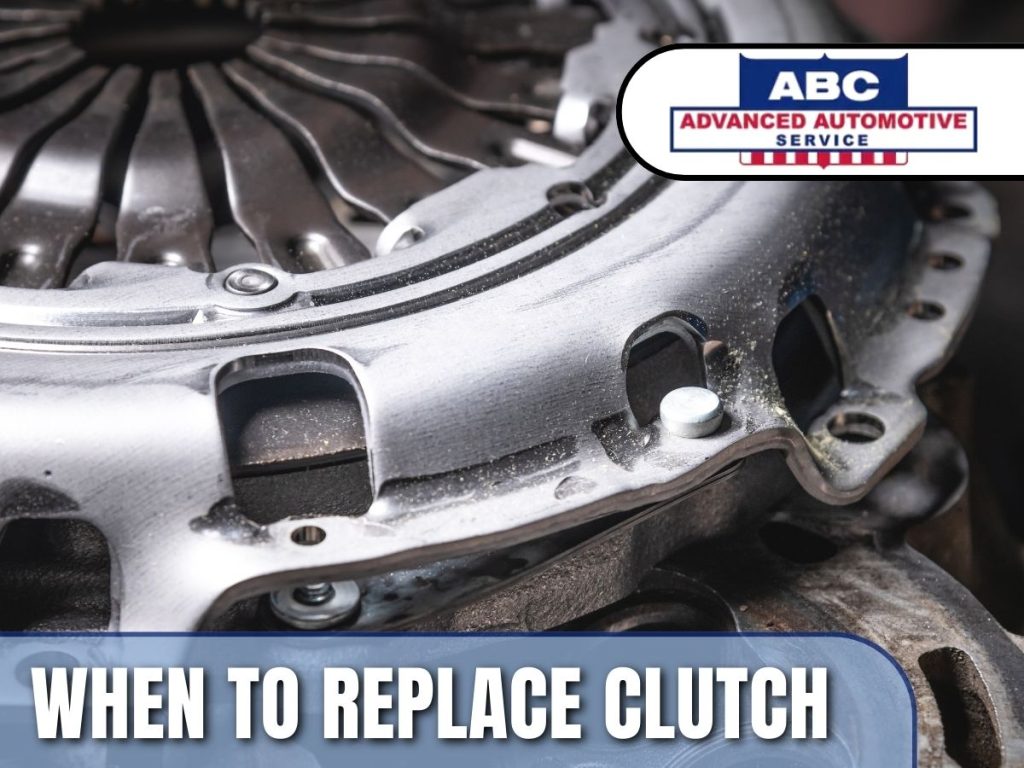
A worn-out clutch can make driving frustrating, causing slipping gears, poor acceleration, and difficulty shifting. Many drivers don’t realize their clutch is failing until it completely stops working, leading to costly repairs or breakdowns. Recognizing the early warning signs of clutch wear can save you money and prevent unexpected failures. This guide explains when to replace your clutch, key symptoms of a failing clutch, and how to prolong its lifespan.
Signs Your Clutch Needs Replacement
The clutch plays a crucial role in transferring engine power to the transmission, allowing for smooth gear changes. Over time, wear and tear can lead to performance issues. Knowing when to replace your clutch helps avoid severe damage and expensive repairs.
Slipping Clutch
One of the most common signs of clutch wear is slipping. This occurs when the clutch fails to fully engage, causing the engine to rev higher without a corresponding increase in speed. Slipping is often noticeable during acceleration or when driving uphill.
Common symptoms include a sudden loss of power when pressing the gas pedal, increased engine RPM without a speed increase, and difficulty maintaining speed, especially under load. The main causes of a slipping clutch include worn clutch friction material, oil contamination on the clutch plate, or a weak clutch pressure plate.
Difficulty Shifting Gears
A failing clutch can make shifting gears harder than usual. If you experience resistance when moving the gear stick or hear grinding noises, your clutch may not be fully disengaging.
Typical symptoms include hard shifting, especially between first and second gear, grinding or clunking noise when changing gears, and the gear stick getting stuck or feeling stiff. Possible causes include clutch plate wear or damage, hydraulic system failure due to low clutch fluid, or a warped clutch disc or pressure plate.
Soft or Stiff Clutch Pedal
The clutch pedal should feel firm but not too hard or too soft. If you notice sudden changes in pedal resistance, it could indicate a clutch problem.
A spongy or excessively easy-to-press clutch pedal, a stiff pedal requiring excessive force, or a pedal sticking to the floor and not returning properly are common symptoms. These issues may be caused by a worn clutch cable or hydraulic failure, air in the clutch hydraulic system, or a faulty master or slave cylinder.
Burning Smell or Strange Noises
A burning smell while driving, especially in stop-and-go traffic, can indicate clutch overheating. Additionally, unusual noises such as rattling or squealing may signal clutch issues.
Signs of clutch trouble include a burning rubber or hot metal odor inside the car, a rattling noise when the clutch pedal is released, or squeaking and whining sounds during gear shifts. The most common causes include excessive clutch slipping, worn-out clutch components, or a damaged throw-out bearing or flywheel.
A driver noticed his car losing power on highways despite pressing the gas pedal harder. The engine revved up, but the speed didn’t increase. A mechanic confirmed the clutch was slipping, requiring immediate replacement. The repair cost $900, but ignoring the issue could have caused transmission damage, leading to a much higher bill.
What Causes Clutch Wear and How to Extend Its Lifespan?
Clutch lifespan depends on driving habits, maintenance, and overall vehicle use. Understanding the causes of clutch wear helps drivers take preventive measures to extend its life.
Common Causes of Clutch Wear
- Riding the Clutch – Keeping your foot partially on the clutch pedal while driving increases friction and speeds up wear. Always remove your foot completely after shifting.
- Frequent Stop-and-Go Traffic – City driving and traffic jams force excessive clutch use, leading to premature wear. Using lower gears efficiently can help reduce strain.
- Aggressive Driving – Rapid acceleration, high RPM shifting, and sudden braking put stress on the clutch, shortening its lifespan.
- Heavy Loads or Towing – Carrying heavy cargo or towing trailers forces the clutch to work harder, increasing wear.
- Skipping Clutch Maintenance – Ignoring regular clutch inspections or failing to check the hydraulic system can cause avoidable damage.
How to Make Your Clutch Last Longer
- Use the Clutch Correctly – Engage and disengage the clutch smoothly without unnecessary slipping. Avoid riding the clutch at traffic lights or in slow-moving traffic.
- Shift Gears Efficiently – Shift at the right RPM to avoid unnecessary clutch strain. Avoid excessive revving before shifting gears.
- Keep the Clutch Hydraulics in Good Condition – Check the clutch fluid level regularly and ensure there are no leaks in the system. Low fluid can cause gear-shifting issues.
- Avoid Overloading Your Vehicle – Heavy loads increase clutch stress, so avoid exceeding your car’s weight limits whenever possible.
- Schedule Routine Inspections – Have your clutch system checked during regular vehicle servicing to catch early signs of wear before they become major issues.
A driver who regularly drove in heavy traffic noticed his clutch becoming stiff and harder to press. Instead of waiting for a breakdown, he had the clutch inspected, and a mechanic found low clutch fluid due to a minor leak. A simple fluid top-up and repair prevented clutch failure, saving him from an expensive replacement.
Conclusion: Replace Your Clutch Before It Fails
Recognizing when to replace a clutch helps prevent sudden failures and costly repairs. Warning signs such as slipping gears, a soft clutch pedal, difficulty shifting, and a burning smell indicate that a clutch is wearing out. While clutch lifespan varies, replacing it between 50,000 and 100,000 miles, depending on driving habits, prevents unexpected breakdowns. If you notice signs of clutch failure, don’t wait—schedule an inspection and avoid expensive transmission damage.
Your clutch is essential for smooth gear changes and optimal vehicle performance. Don’t wait for a breakdown—if you notice signs of clutch wear, schedule an inspection today. While replacing your clutch at the right time is crucial, don’t forget about other essential car maintenance tasks, such as following these car battery maintenance tips, to prevent costly repairs and keep your car running efficiently.
Frequently Asked Questions
- How do I know if my clutch is worn out?
Common signs include slipping gears, a spongy pedal, difficulty shifting, and a burning smell. If the clutch struggles to engage, it may need replacement. - Can a clutch fail suddenly?
While clutches usually show warning signs before failure, ignoring symptoms can lead to sudden breakdowns where the clutch becomes completely unresponsive. - How much does it cost to replace a clutch?
Clutch replacement costs vary but typically range from $500 to $2,500, depending on the car model, labor rates, and the extent of the damage. - Can I extend my clutch’s lifespan?
Yes, avoiding riding the clutch, aggressive shifting, and excessive towing can significantly increase the lifespan of your clutch. - Is it safe to drive with a slipping clutch?
Driving with a slipping clutch is risky, as it can lead to complete failure and leave you stranded. Address the issue as soon as symptoms appear.